
Trial of Maulana Shaukat Ali at Karachi Court
Following is an excerpt of the trial of Maulana Shaukat Ali at Karachi Court in September, 1929
Read More
Exploring lesser known History
Following is an excerpt of the trial of Maulana Shaukat Ali at Karachi Court in September, 1929
Read More
Often, different quotes from Maulana Azad are cherry picked by people on social media according to their political convenience without ever realizing the context. I am sharing his address from 17 April, 1946, where he talked about the idea of Pakistan in detail. Excerpts from this speech are often cherry picked to prove points entirely unrelated to the context. I hope the speech will clear many misconceptions regarding Azad’s views.
Read More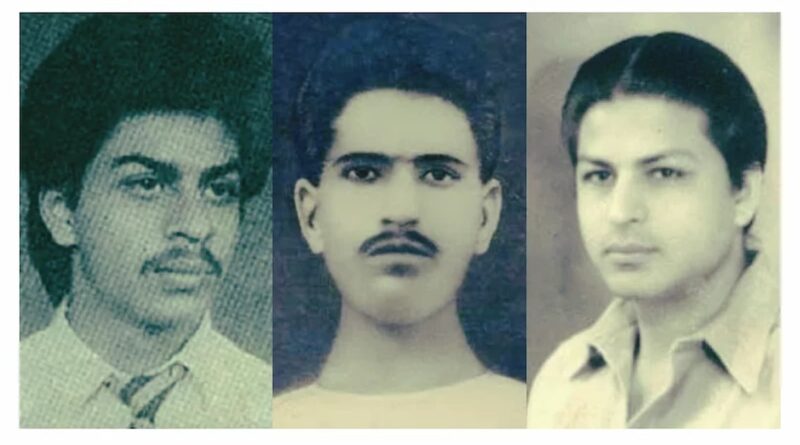
Shahrukh Khan’s father Meer Taj Mohammad wrote that Hari Kishan was the brother of Bhagat Ram who, in the grab of Rahmat Khan, escorted Netaji Subhash Chandra Bose from Calcutta to Kabul vin the Khyber Pass, eluding Birtish Intelligence. Bhagat Ram being a Pathan, did not have much difficulty in impersonating as a ‘Maulvi’ and he took Netaji with him in the guise of Zainuddin, his dumb elder brother going on a pilgrimage to a sacred tomb in Afghanistan.
Read More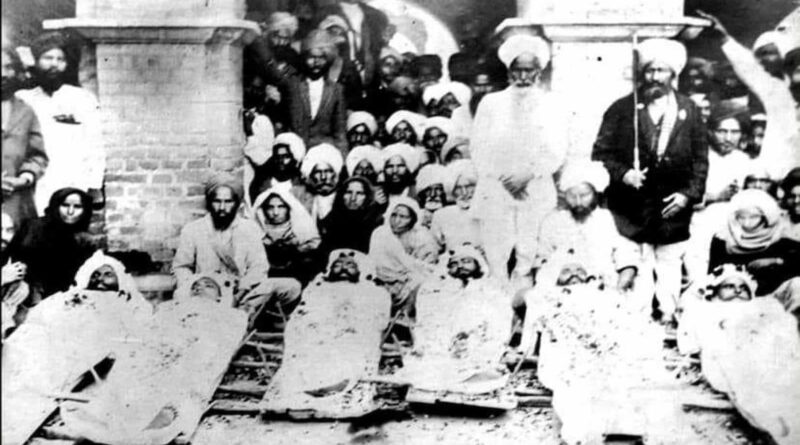
Bhagat Singh wrote an article on the crucifixion of the six Babbar Akalis for the Hindi Paper Pratap, tracing the history of the Babbar Akali Movement and praising their acts of courage and bravery.
Read More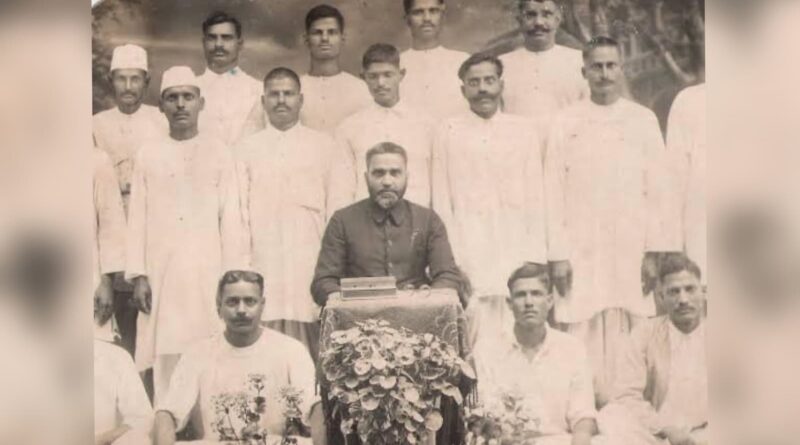
Following is the text of a letter written by Raja Mahendra Pratap, published in Sirajul Akhbar, Kabul in 1916
Read More
In his autobiography, Raja Mahendra Partap recalled Niaz Ali as his first teacher. Altaf Hussain, Ali Mohammad, Pandit Bhagwandas, and Wilayat Hussain were other teachers at MAO, who get mentions in his autobiography. Ahmad Hussain was his best friend and Kunwar Man Singh of Sirohi, Prince of Tonk and Nawab Mohiuddeen were other good friends in college.
Read More
The British forces killed many to quell the Royal Indian Naval Mutiny, many of which were Muslims. Here, we are sharing names of the few Muslims we know, who attained martyrdom for taking part in the mutiny or supporting it.
Read More
During the First World War, Maulana Mahmood Hasan, and other Islamic scholars planned an armed attack on British India from the Afghanistan frontier. The ambitious plan did not succeed because of the changed geo-political scenario (defeat of Turkey and Germany) and the British getting hold of three silk letters, which gave away the whole planning. After this, 59 people were charged for waging the war against the crown. I am sharing the names of these 59 forgotten heroes of the Indian freedom struggle.
Read More
Haji Usman Sait was known for his generosity and earned the title of ‘Cash bag of Indian National Congress’.
Read More
We are publishing the names of all these 85 Indian sepoys who defied the English command and thus triggered the first national war of Independence from Meerut.
Read More
Mulla Abdul Qayyum Khan created history as the first Muslim leader from Hyderabad state to join the Indian National Congress in 1885. He wrote essays in a newspaper called ‘Safire-e-Deccan’ to counter the anti-congress campaign led by Sir Syed Ahmed Khan.
Read More
The Battle of Plassey opened the gates for the British control of India. For the next 190 years, India remained under the exploitative colonial regime of the British.
Read More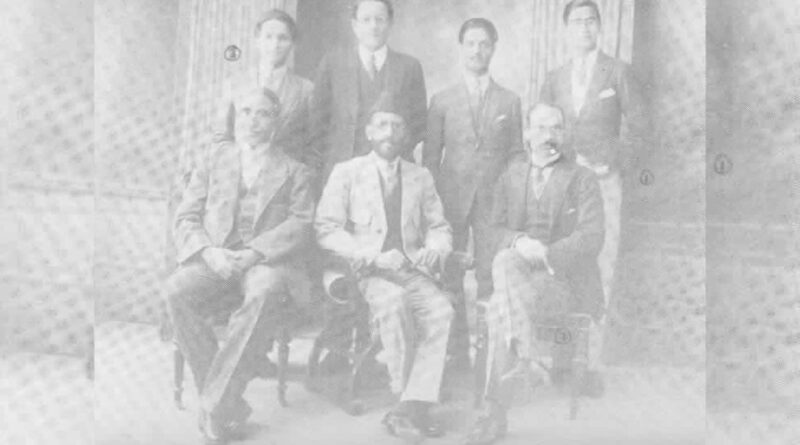
Together with Maulana Mohammad Ali Jauhar, they laid the foundation of Jamia Millia Islamia. Hakim Ajmal Khan became the first chancellor of Jamia Millia Islamia followed by Dr Mukhtaar Ahmad Ansari. Hakim Ajmal Khan was also the founder of Tibbia College for Ayurvedic & Unani Medicine.
This account shows their visit to Europe in 1925.
Read More
During my (Bipin Chandra Pal) college life in Calcutta, the country was passing through great political changes that had a lasting effect upon social and political evolution. During the closing years of my school days, Lord Mayo was the Indian Viceroy. His brief Viceroyalty was noted for the deportation of the Wahabi leader, Amir Khan.
Read More
On 13th April, 1919, Hans Raj and other leaders gave a call to gather at Jallianwala Bagh in Amritsar to
Read More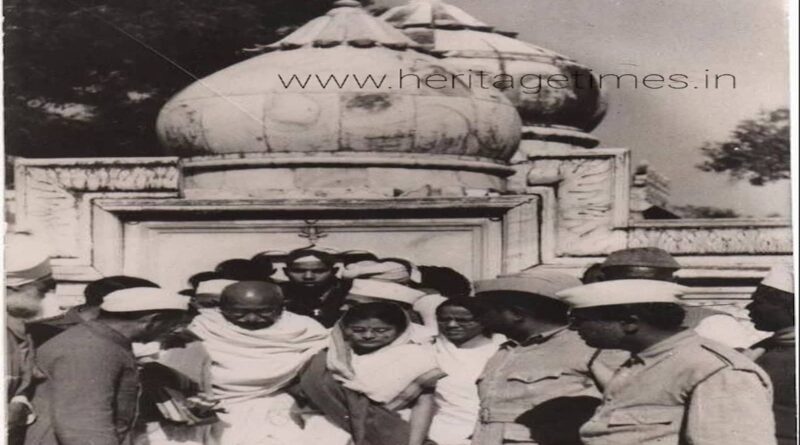
Mahatma Gandhi visited Dargah of Qutubbudin Bakhtiyar Kaki, Mehrauli, Delhi amidst the communal riots on 27th January, 1948. He was killed two days later on 30th January by Nathuram Godse. Generally women were not allowed in the innermost shrine but the condition was waived off in order to allow women with Gandhi inside.
Read More
There was a reason that the British intelligence officers wanted to confirm the authenticity of the order. It was one of those rare orders where the intelligence officers were ordered to assassinate a politician. The order was to find and kill the Indian politician Netaji Subhas Chandra Bose.
Read More
The Indian Medical mission team was the first to arrive in China at the port of Hankou, Wuhan. They were then sent to Yan’an where they were warmly welcomed by Mao Zedong, Zhu De and other top leaders of the Communist Party.
Read More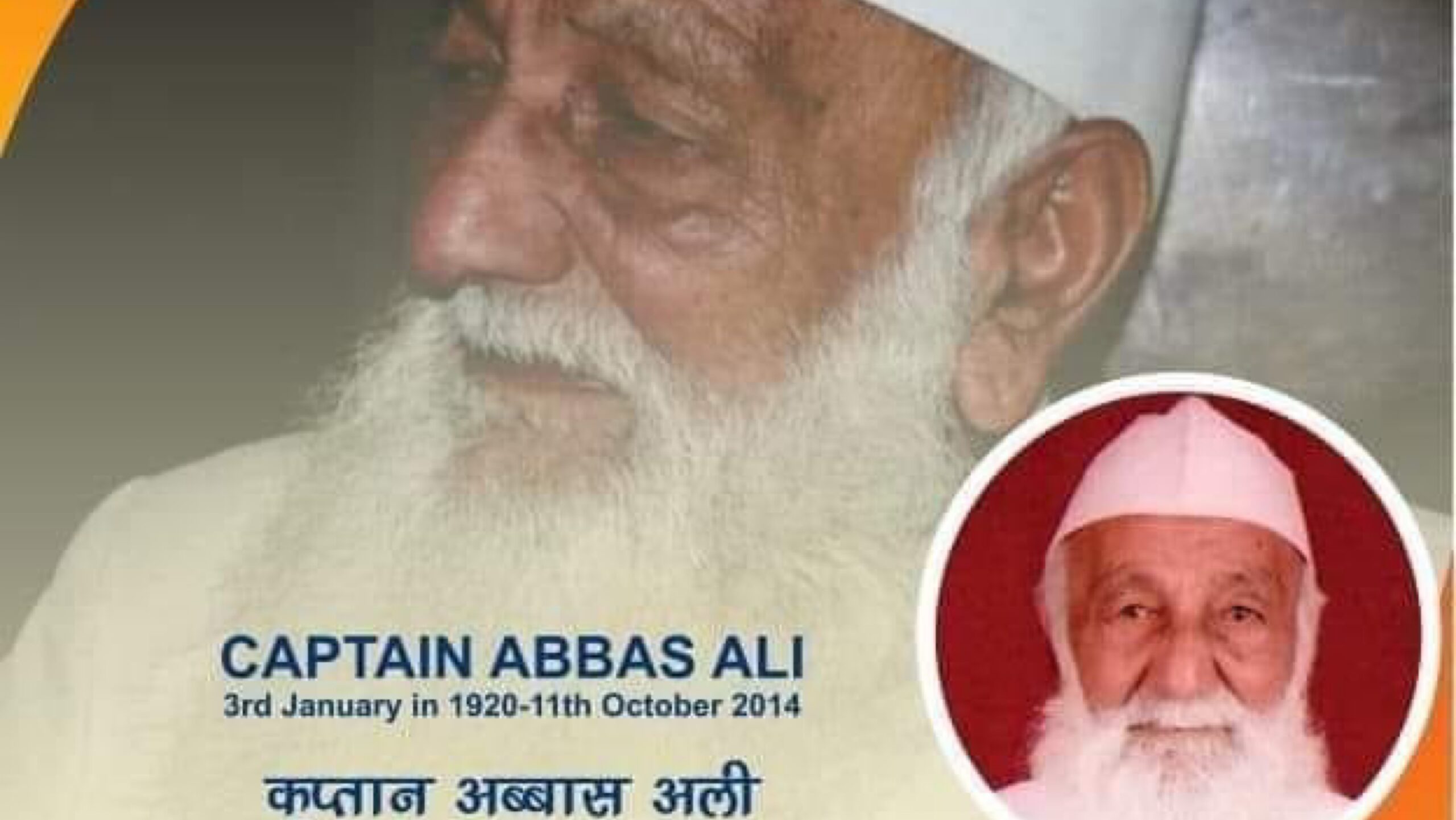
The British Army arrested Captain Abbas Ali, and sentenced him to death after conducting a so-called court martial. But the death sentence was revoked when India became independent.
Read More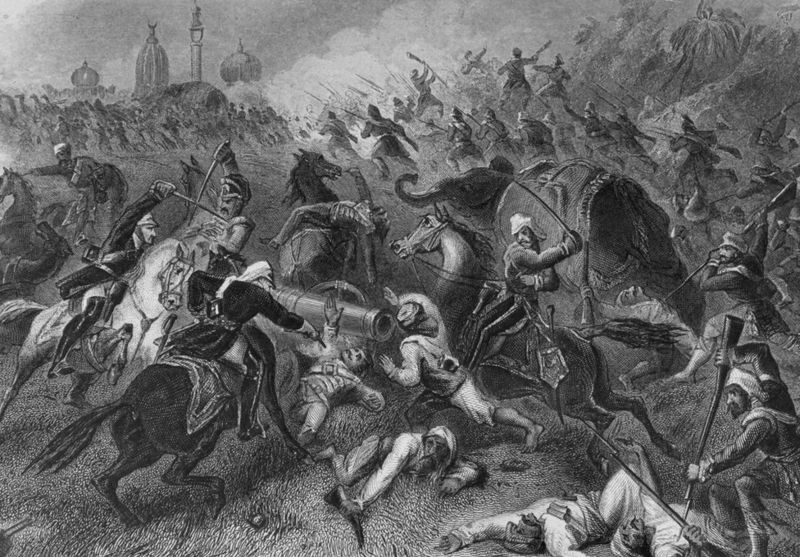
Hudson paid tribute to the bravery of this woman by comparing her with Joan of Arc of France. He contended that the courage, leadership, and valour of this green-wearing Muslim woman was no less than Joan of Arc.
Read More