Ibn Sina (Avicenna): The Man Who Defined Medicine for 1,000 Years
Ibn Sina (Avicenna) is an example of the synthesis of knowledge from both East and West. He has been recognized by both East and West, as one of the greatest figures in intellectual history.
His book, The Canon of Medicine remained a medical authority for centuries. It set the standards for medicine in Medieval Europe and the Islamic world. It was also used as a standard medical textbook through the 18th century in Europe.
Abu Ja’far Muhammad ibn Musa al-Khwarizmi: Father of Algebra
George Sarton author of The History of Science, described Ibn Sina as “one of the greatest thinkers and medical scholars in history” and called him “the most famous scientist of Islam and one of the most famous of all races, places, and times.”
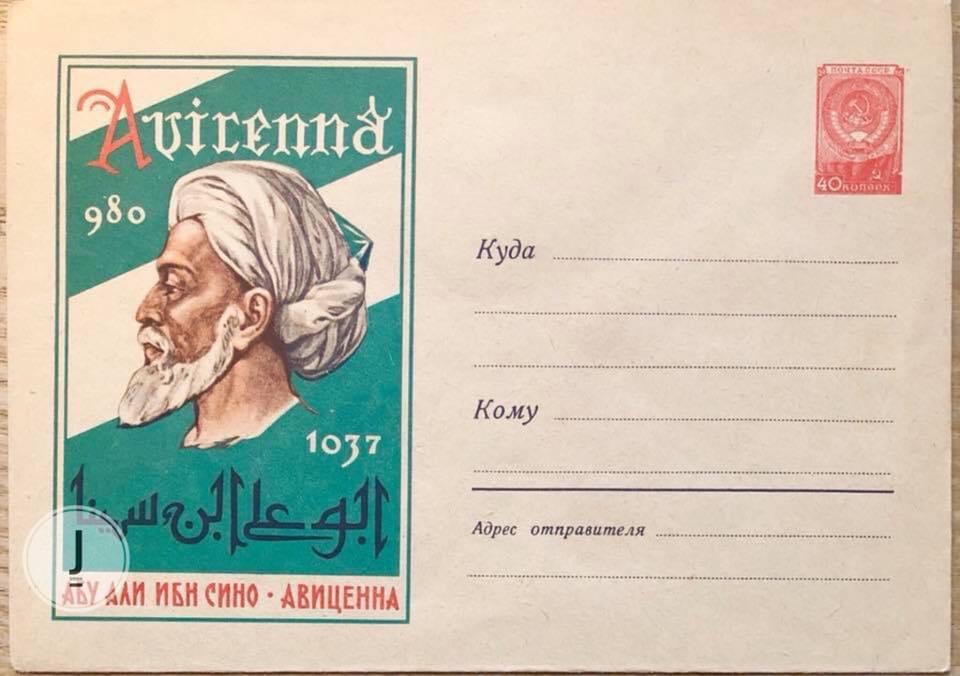
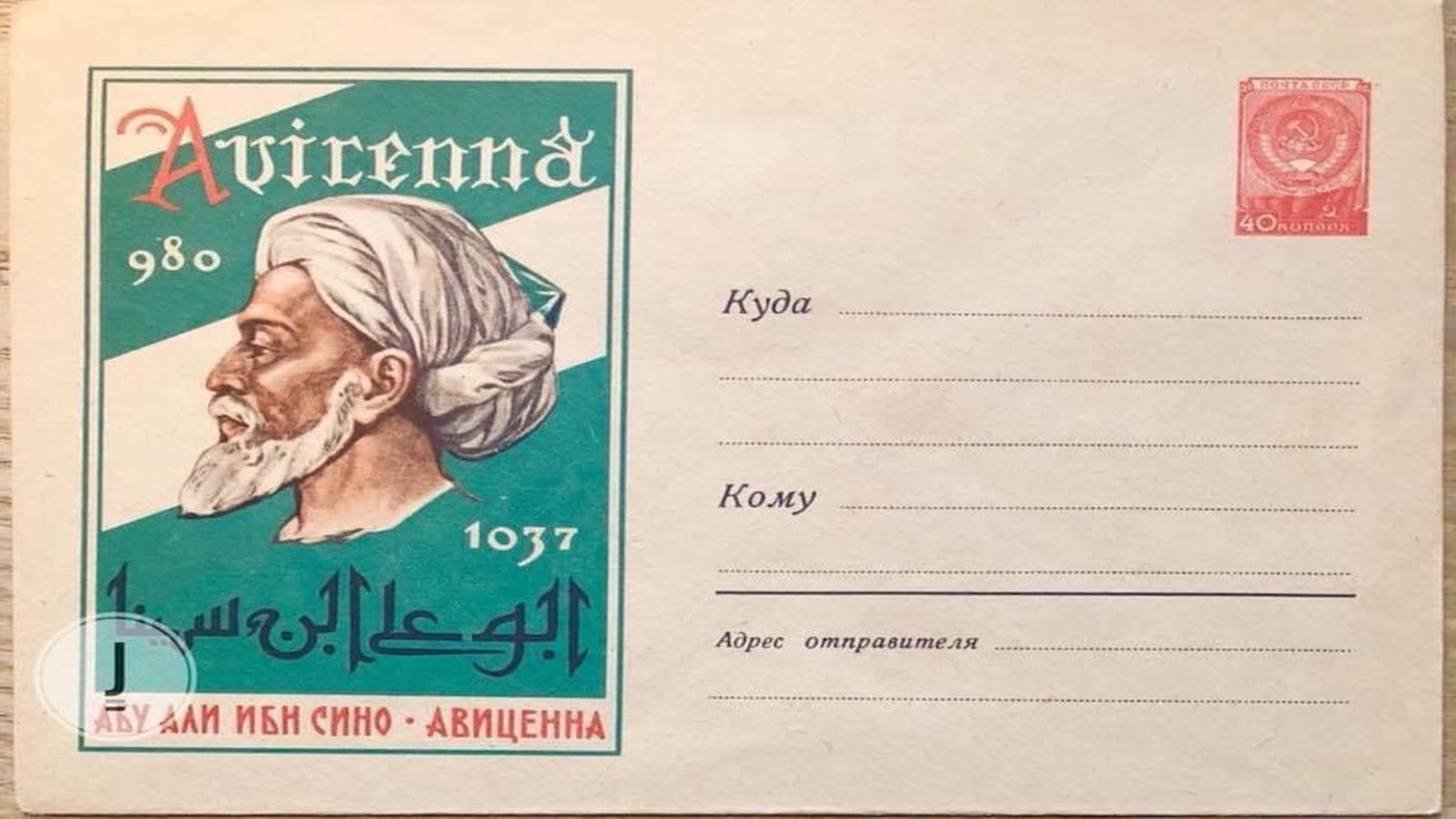
In 1980, the Soviet Union which then ruled his birthplace Bukhara, celebrated the millennium of Avicenna’s birth by circulating various commemorative stamps with artistic illustrations. Following Soviet ‘First Day Cover’ from my personal collection on Avicenna is one of the rarest.
“Bertrand Russell’s Last Message” on Israel and Palestine