The Forgotten Muslim Heritage of Europe: Poland’s Wooden Tatar Mosques
In Jawab-e-Shikwa (1913), later collected in Bang-e-Dara (1924), the poet-philosopher Allama Mohammad Iqbal wrote:
“Hai ayaan yorish-e-Taataar ke afsaane se
Paasbaan mil gaye Kaabe ko sanam-khaane se”
(History, especially the tales of the Tatar invasions shows that guardians for the Kaaba can emerge even from what seemed like a sanam-khaana (idol house or temple)
Islam in an Unexpected Corner of Europe
When people discuss the historical presence of Islam in Europe, their attention often turns towards Spain, the Balkans, Ottoman territories, Bosnia, Albania or contemporary Western European cities. However, in the northeastern part of Poland, close to the borders of Belarus and Lithuania, lies an extraordinary historical reality: Muslim communities have maintained their presence for centuries. The region of Podlaskie is home to historic Muslim settlements associated with the Polish Tatar community. The villages of Kruszyniany and Bohoniki are particularly important because they preserve traditional wooden mosques and Muslim cemeteries. These sites are reminders of a historical period when Muslim Tatars served rulers, received land, established villages and developed a distinctive religious identity within European society.
The mosques of Podlaskie are modest compared with the monumental Islamic architecture of Istanbul, Cairo, Damascus or Cordoba. Yet their historical significance is immense. They represent a form of Islam rooted in the countryside of Eastern Europe, shaped by local craftsmanship, political arrangements, military service and centuries of cultural exchange. The historical presence of these mosques challenges the assumption that Muslim communities in Europe are exclusively a product of recent migration. The Lipka Tatars were part of the historical fabric of the region long before modern European nation-states emerged. The Polish Tatar heritage is an important example of how religious communities can maintain their faith while adapting to changing political systems and cultural environments.
The Historical Origins of the Lipka Tatars
The history of Muslim settlement in northeastern Poland is closely associated with the Lipka Tatars, a community whose origins are linked to the migrations of Tatar groups into the Grand Duchy of Lithuania. From approximately the 14th century onwards, Tatar populations settled in territories encompassing modern-day Lithuania, Belarus and parts of northeastern Poland. Many were connected with the political upheavals of the Golden Horde, conflicts among regional rulers and the movement of military communities across Eastern Europe. The Tatars were valued for their cavalry traditions, military expertise and ability to serve in border regions. Their military service helped them establish relationships with the rulers of Lithuania and later the Polish-Lithuanian Commonwealth.
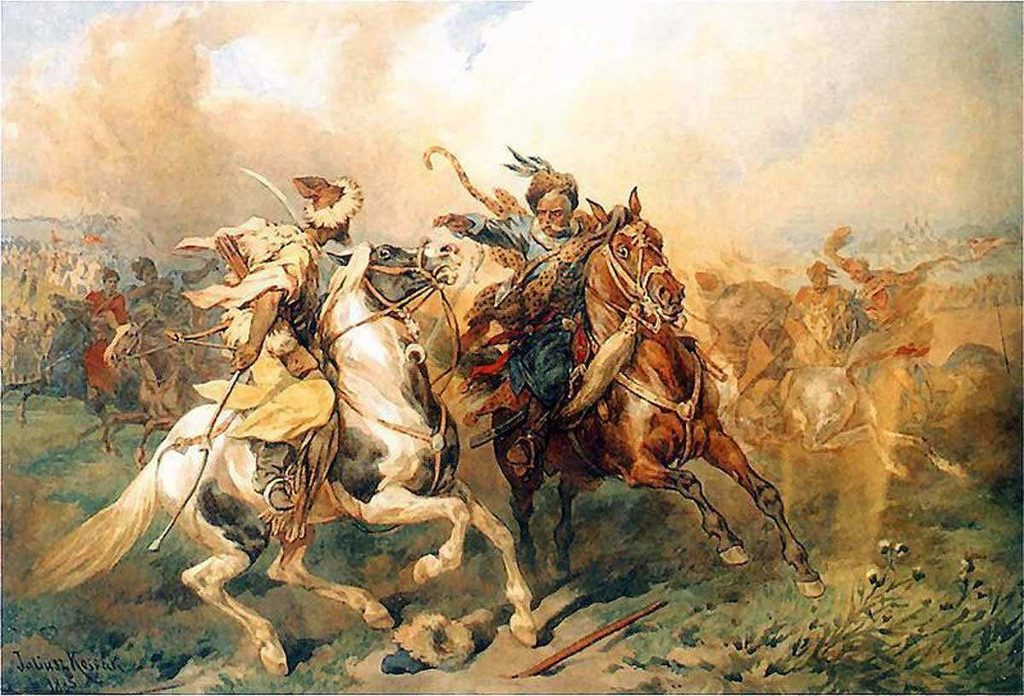
In exchange for military service, Tatar communities received land, privileges and opportunities to establish settlements. Their history was therefore closely connected with the political and military structure of the region. The Tatars gradually became integrated into local society. Many adopted Polish or Lithuanian names, learned regional languages, participated in local economic activities and developed close social relations with their Christian neighbours. However, they continued to preserve their Islamic faith, religious customs, community traditions and ancestral memories. The identity of the Polish Tatars developed through a combination of religious continuity and cultural adaptation. They were not only Muslims but also inhabitants and citizens of the lands in which they lived. This identity demonstrates that national, cultural and religious identities do not necessarily have to conflict with one another. The historic settlement of Tatars in Podlaskie represents an important chapter in the development of multicultural Eastern Europe.
Kruszyniany: A Historic Muslim Village in Poland
Kruszyniany is one of the most important centres of Polish Tatar heritage. Situated in the Podlaskie region, close to the Belarusian border, it represents a historic settlement where Muslim religious traditions have survived for generations. The settlement of Tatars in Kruszyniany is closely associated with the political and military events of the 17th century. During the Lipka Tatar rebellion of 1672, some Tatar soldiers turned against the Polish-Lithuanian Commonwealth because of grievances, including unpaid military compensation. The conflict was followed by political reconciliation and renewed military service. In 1679, King Jan III Sobieski granted lands to Tatar military communities, including settlements in Kruszyniany and Bohoniki. The arrangement helped restore relations between the Tatar soldiers and the Commonwealth while allowing them to establish permanent communities and religious institutions.
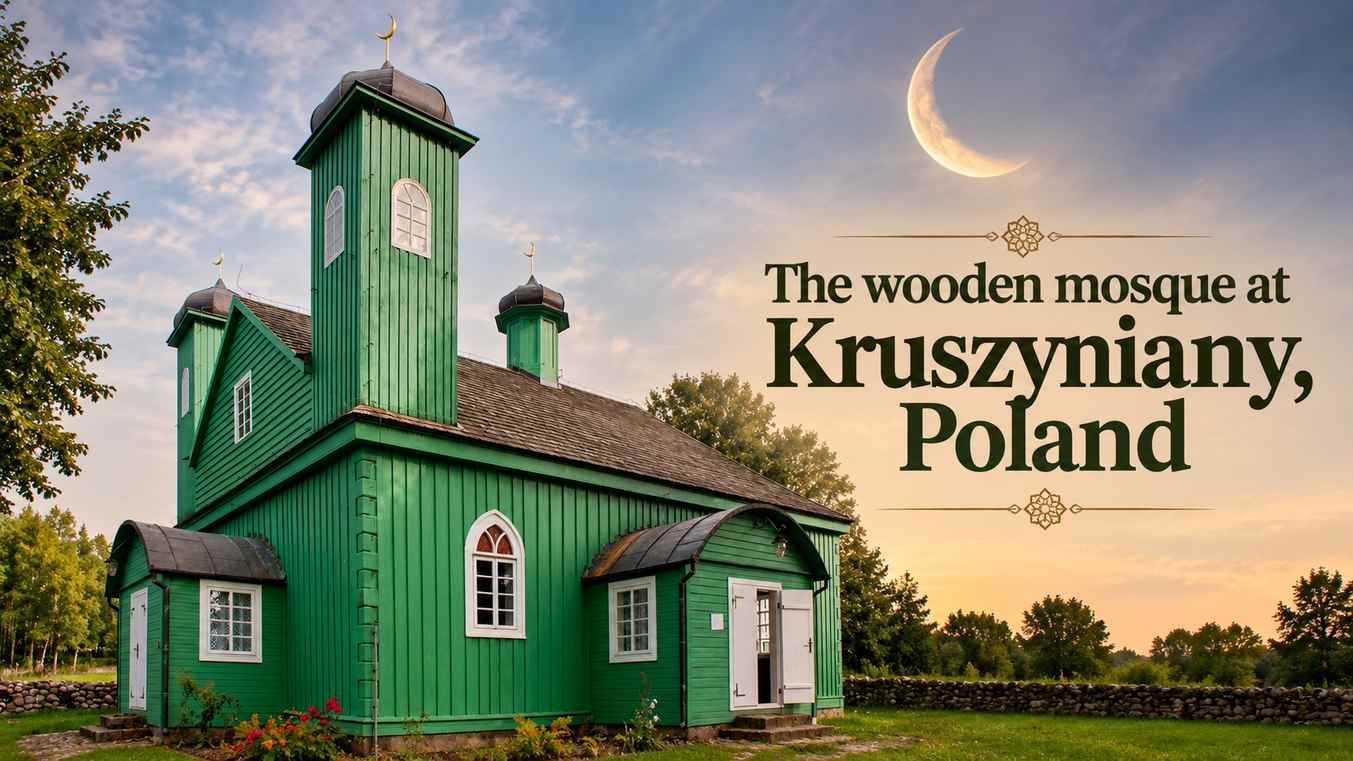
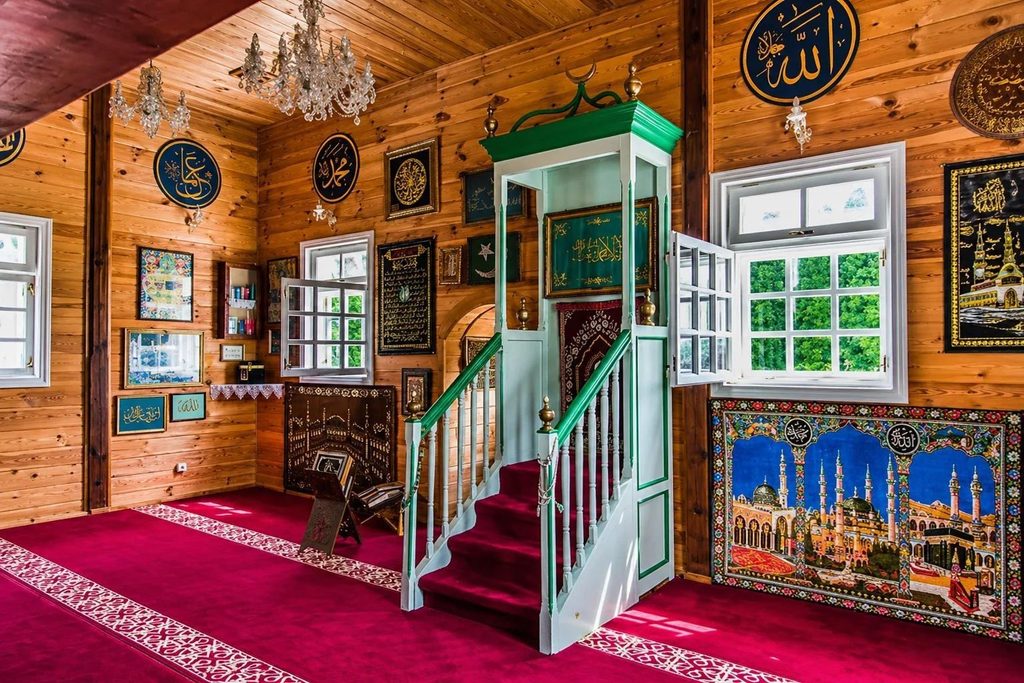
The Tatar settlers developed their villages, agricultural activities, family networks, religious practices and burial traditions. Their mosques became central to community life. The mosque in Kruszyniany is among the most important surviving monuments of Polish Islamic heritage. The present wooden structure is generally dated to the late 18th century, often associated with the period between 1768 and 1795. It has undergone restoration and conservation work over the centuries. The exterior architecture is strikingly different from many mosques found elsewhere in the Islamic world. Rather than enormous domes or elaborate stone minarets, the mosque reflects local timber-building traditions. Its green walls, wooden structure, tower-like elements and crescent symbols create a distinctive religious landscape. The mosque’s internal arrangement reflects Islamic religious requirements, including a prayer space, a mihrab marking the direction of Mecca and separate traditional arrangements for men and women. The architectural form demonstrates the adaptation of Islam to local European construction techniques. The mosque was built by craftsmen familiar with regional architecture, producing a building that combines Islamic religious functions with northeastern Polish architectural traditions. This makes Kruszyniany not simply a place of religious worship but a valuable example of cultural adaptation and architectural history.
Bohoniki: The Mosque and the Continuity of Tatar Religious Life
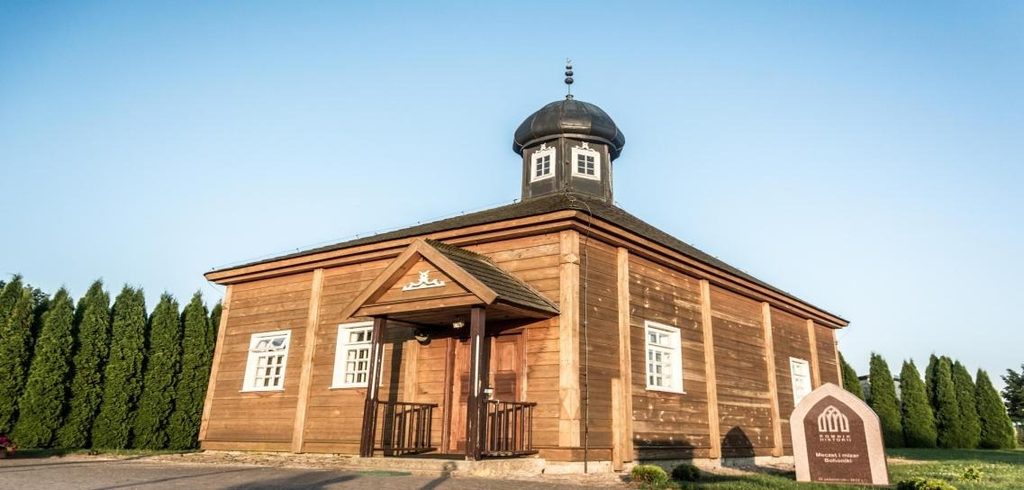
Bohoniki is another important Muslim settlement in Podlaskie. Like Kruszyniany, it is associated with the settlement of Tatar military families in 1679 under the privileges granted by King Jan III Sobieski. The mosque at Bohoniki is a significant example of Polish Tatar religious architecture. The present building is commonly dated to 1873, a date reportedly identified during renovation work in 2006. The mosque is constructed from wood and has a modest, rural appearance. Its design reflects the local environment and the architectural traditions of the region. The building contains a prayer hall, traditional interior divisions, carpets and religious decorative textiles. The mosque is orientated towards Mecca, allowing worshippers to perform prayers in the appropriate direction. Its internal arrangements reflect the religious and social traditions of the community.
The Bohoniki mosque is important because it has remained connected to the religious life of the local Muslim population. It is not merely an abandoned monument preserved for tourism; it represents a living tradition of worship, community identity and cultural continuity. Bohoniki also illustrates the relationship between religious institutions and rural settlement. The mosque, cemetery, surrounding village and community traditions together form a historic cultural landscape. The preservation of this mosque demonstrates the importance of protecting religious architecture belonging to minority communities, particularly when such monuments represent traditions that are unusual within the broader national heritage. The mosque’s history also offers an understanding of the changing demographic realities of Polish Tatar society. Although the community is relatively small today, its historical and cultural influence is much greater than its population size alone might suggest.
The Two Historic Muslim Centres of Podlaskie
The two villages are among the most important destinations for anyone interested in the history of Islam in Poland and Eastern Europe.
Wooden Mosques: A Unique European-Islamic Architectural Tradition
The mosques of Kruszyniany and Bohoniki are among the most distinctive examples of Islamic architecture in Europe. Their construction reflects a historical reality: the Tatar community was living in a region where local craftsmen were familiar with wooden churches, Orthodox religious buildings, rural structures and traditional timber architecture. The builders adapted these techniques to create Islamic places of worship. The resulting architecture is not a replica of mosques from the Middle East or Central Asia. Instead, it is a local architectural interpretation of Islamic religious space.
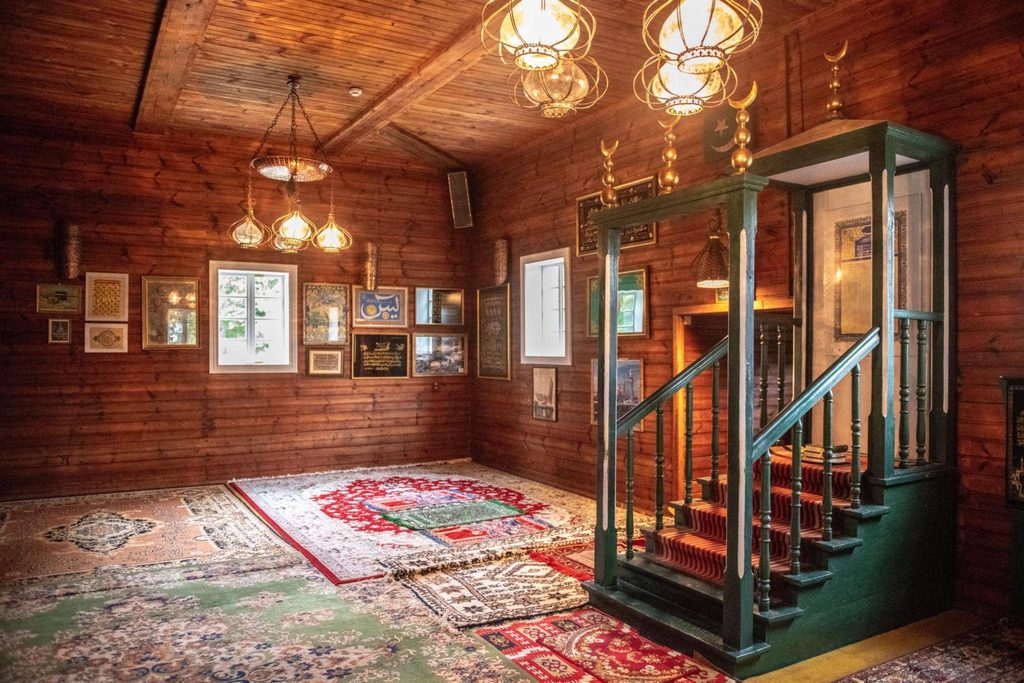
Important architectural characteristics include:
- Wooden construction adapted to local climate and materials.
- Modest prayer halls designed for community worship.
- Tower-like structures with crescent symbols.
- Traditional roofs and regional craftsmanship.
- Interior carpets and religious decorative textiles.
- Prayer orientation towards Mecca.
- Distinct arrangements within the prayer space.
The exterior of the mosques reflects local European building traditions, while their interior religious functions remain Islamic. This architectural synthesis is important for the study of cultural diffusion. It demonstrates that religious traditions can adapt to local building practices without losing their essential religious identity. The mosques are also important for comparative architectural research, especially in examining the relationship between religious architecture, minority identity, rural settlement and cultural exchange in borderland regions. The Polish Tatar mosques challenge the assumption that Islamic architecture in Europe must be dominated by imported styles. Instead, they demonstrate the development of locally rooted Islamic architecture.
Mizars (Mazars): Muslim Cemeteries and the Memory of Generations
The historic mosques of Podlaskie cannot be fully understood without examining the Muslim cemeteries associated with them. The cemeteries, known as mizars, are repositories of community memory, religious identity and historical continuity. The mizars of Kruszyniany and Bohoniki contain graves belonging to generations of Polish Tatars. They preserve the names, family histories and religious traditions of the community. Some gravestones reflect a distinctive combination of Polish linguistic culture and Islamic symbolism. Historical inscriptions in Polish using Arabic script are particularly important because they illustrate the adaptation of language and religious expression within the Tatar community. The cemeteries are also significant for understanding how Muslim burial traditions developed within the local environment. Their grave markers, inscriptions and layouts reflect Islamic religious practices while also demonstrating regional cultural influences. The mizar is not merely a place of burial. It is a place where the community reconnects with its past, remembers ancestors and reinforces a sense of belonging.
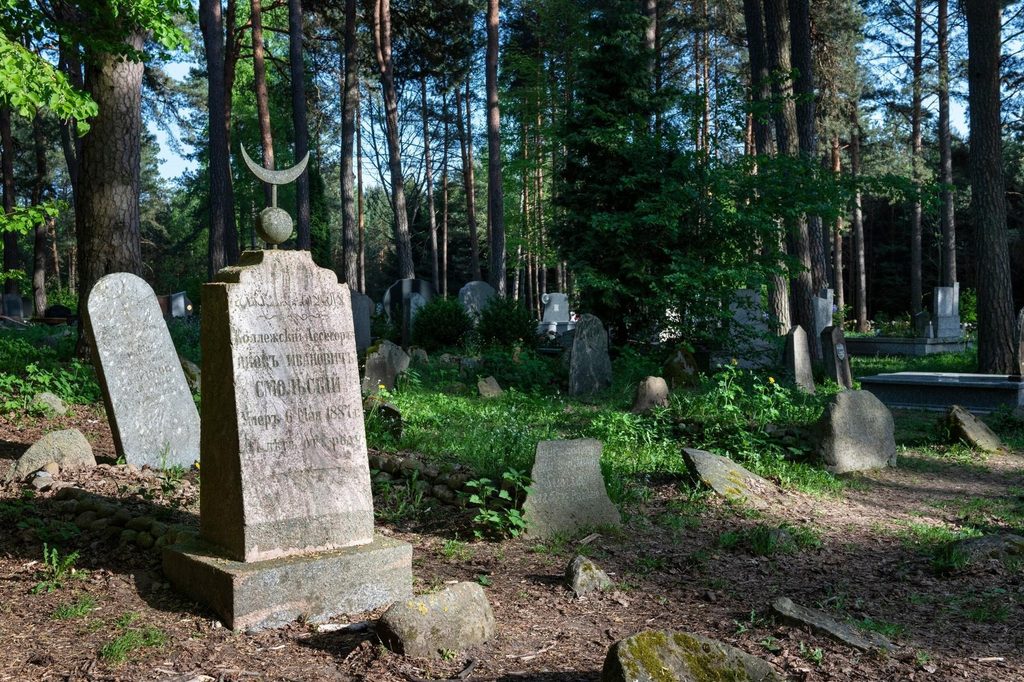
The preservation of these cemeteries is essential to the protection of Tatar heritage. Damage to gravestones, loss of inscriptions or neglect of burial grounds would mean the disappearance of important historical evidence. The mosques and mizars together constitute a connected cultural heritage complex. Their value lies not only in individual buildings or graves but also in the relationship between religious worship, village life, family history and the landscape.
Muslims in a Christian Society: Coexistence and Historical Integration
The Tatar experience in Poland offers an important historical example of religious coexistence. The Tatars lived among Catholic, Orthodox and other communities while maintaining their Islamic identity. Their integration took place through military service, landholding, agriculture, local trade, social relations and participation in the wider political community. Over time, they became deeply connected to the history of Poland and Lithuania. The Tatar case is particularly significant because it demonstrates that integration does not always mean the complete disappearance of minority identity. The community retained Islamic traditions, mosques, cemeteries, religious ceremonies, family practices and cultural memory. At the same time, it became part of the wider Polish society.
This historical relationship should not be romanticised. The Tatars faced political changes, restrictions, military conflicts, shifting borders and pressures of assimilation. Like other minorities, their history was shaped by both opportunities and challenges. Nevertheless, the survival of these Muslim communities is remarkable. Their presence shows that the history of Europe was shaped by multiple religious and cultural traditions and cannot be reduced to a single religious identity. The Polish Tatar experience is relevant to modern discussions of multiculturalism, citizenship, minority rights, religious freedom and national belonging. It offers a historical example of how a minority community can contribute to the wider nation while maintaining a distinctive cultural and religious identity.
Podlaskie as a Cultural Borderland
Podlaskie is historically a borderland region where cultures, languages, religions and political traditions have intersected. Polish, Belarusian, Lithuanian, Orthodox, Catholic, Jewish and Tatar histories have contributed to its cultural landscape. The Tatar mosques are therefore part of a broader heritage of multicultural coexistence. Their significance extends beyond Islamic history into the history of regional settlement, architecture, agriculture, political boundaries and social relations. The villages of Kruszyniany and Bohoniki illustrate how religious monuments can become central to the identity of a place. The mosque is not isolated from the surrounding landscape; it belongs to a historic village environment shaped by generations of residents. The preservation of this cultural landscape is increasingly important. Modern roads, construction, tourism, land-use changes and the disappearance of traditional rural structures can alter the historic character of these settlements. Conservation must therefore go beyond repairing individual buildings. It should also protect the surrounding environment, historic village layouts, cemeteries, traditional structures and community practices. The 2023 research published in Architectus highlights the importance of protecting both the monuments and their broader cultural surroundings, including the Bohoniki Cultural Park and landscape protection approaches associated with Kruszyniany.
Recognition as Historic Monuments of Poland
The mosques and mizars of Kruszyniany and Bohoniki received national recognition when the complex was designated a Pomnik Historii, a Historic Monument of Poland in October 2012. The designation covers four principal heritage sites:
- Mosque in Bohoniki
- Mizar in Bohoniki
- Mosque in Kruszyniany
- Mizar in Kruszyniany
This recognition reflects their exceptional value to Polish history and national heritage. They are regarded as material evidence of the centuries-long presence of Muslim Tatars in a predominantly Christian state. The monument designation is important because it supports conservation, heritage awareness, historical research and public recognition of the Tatar community. It also highlights the importance of minority heritage in defining national history. The mosques are not foreign additions to Poland’s cultural landscape; they are historical monuments belonging to the country’s own story.
Tourism, Education and the Importance of Muslim Heritage
The historic mosques of Podlaskie offer an opportunity to develop cultural tourism and educational programmes focusing on Europe’s religious diversity. Visitors travelling to Kruszyniany and Bohoniki can explore a heritage that is different from the dominant historical narratives in Poland. The sites provide opportunities for learning about the Lipka Tatars, Islamic religious traditions, Polish-Lithuanian history, and rural architecture and minority communities. The region could benefit from responsible heritage tourism through:
- Guided tours explaining the history of Polish Tatars.
- Educational programmes for schools and universities.
- Academic research on Islam in Eastern Europe.
- Cultural exchanges between Polish and Muslim communities worldwide.
- Digital archives of historic photographs, inscriptions and documents.
- Conservation programmes for wooden mosques and Muslim cemeteries are essential.
- Community-led cultural events, traditional cuisine and Tatar heritage activities.
Tourism must, however, respect the religious character of these sites. Mosques remain sacred spaces, and cemeteries require dignity and protection. Heritage tourism should support local communities rather than turn religious monuments into purely commercial attractions. The most valuable tourism model would be one that combines education, conservation, respect for worshippers and economic opportunities for local residents.
Challenges of Preservation in the 21st Century
Despite their historic importance, the mosques and cemeteries face several challenges.
A. Declining community population
The Polish Tatar community is relatively small and dispersed. Migration towards larger cities, demographic changes and intergenerational shifts can make it difficult to maintain traditional religious and cultural institutions in rural areas.
B. Conservation of wooden architecture
Wooden buildings are vulnerable to moisture, temperature fluctuations, fire, insects and structural deterioration. Their preservation requires specialist restoration techniques and continued investment.
C. Loss of traditional knowledge
The disappearance of older generations may result in the loss of oral histories, family memories, traditional customs, language knowledge and religious practices.
D. Tourism pressures
Increased tourism can bring economic benefits but may also create pressure on small villages and sacred sites. A balance between visitor access and conservation is necessary.
E. Limited international awareness
The historic Muslim heritage of Poland remains comparatively unknown internationally. Greater academic research, multilingual publications and cultural exchange could bring these sites wider recognition. Preserving these mosques is not simply an architectural responsibility. It is an obligation to protect the history of a community and the broader cultural diversity of Europe.
Conclusion: A Crescent in the Heart of Christian Europe
The wooden mosques of Kruszyniany and Bohoniki represent one of the most fascinating chapters in the history of Islam in Europe. They stand as monuments to the Lipka Tatars, whose presence in the region dates back approximately six centuries. Their history is a story of migration, military service, settlement, religious faith, cultural adaptation and survival. Through wars, political transformations, changing borders and modernisation, the Tatar community preserved its Islamic traditions and maintained a place within Polish society. These mosques challenge simplistic understandings of European identity. They remind us that Europe has never been culturally or religiously uniform. Its history has been shaped by Christians, Muslims, Jews and many other communities whose contributions have enriched the continent. The mosques of Podlaskie also provide a lesson for the contemporary world. Their existence demonstrates that religious identity and national belonging can coexist and that minority communities can preserve their traditions while contributing to the wider society. The crescent symbols above these wooden mosques are more than religious emblems. They represent six centuries of history, memory, resilience and coexistence. In northeastern Poland’s quiet villages, the Lipka Tatars’ Muslim heritage reminds Europe that Islam is part of its history and contemporary story.
(The views expressed are personal of the author and do not represent The Heritage Times)
References
1. Borawski, P., & Dubiński, A. (1986). Tatarzy polscy: Dzieje, obrzędy, legendy, tradycje. Iskry, Warszawa.
2. Brykowski, R. (1988). Tatarskie meczety w Rzeczypospolitej. Ochrona Zabytków, 41(3), 153-172.
3. Drozd, A., Dziekan, M. M., & Majda, T. (1999). Meczety i cmentarze Tatarów polsko-litewskich. Katalog Zabytków Tatarskich, Vol. II. Res Publica Multietnica.
4. Kryczyński, S. (1938). Tatarzy litewscy: Próba monografii historyczno-etnograficznej. Rocznik Tatarski.
5. Sulima, M. (2023). Protection of wooden architecture monuments and the cultural heritage of Polish Tatars: On the example of the Bohoniki Cultural Park and the landscape park in Kruszyniany. Architectus, 1(73).
6. National Heritage Board of Poland. Bohoniki and Kruszyniany: Mosques and Mizars.
7. The Puzzle of the Lithuanian-Polish Tatars: The Only Muslim Community That Has Survived Under Catholic Rule in Europe Since the Middle Ages, Nationalities Papers. Cambridge University Press.