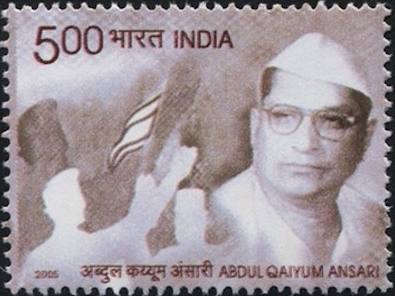
What did Abdul Qaiyum Ansari think on Rights of Indian Muslims and Waqf?
This Letter was submitted to Sub-Committee on Minorities of the Constituent Assembly of India by Abdul Qaiyum Ansari on July 24, 1947
Read More
Exploring lesser known History
This Letter was submitted to Sub-Committee on Minorities of the Constituent Assembly of India by Abdul Qaiyum Ansari on July 24, 1947
Read More
Yusuf Chak of the Chak Dynasty was the last independent ruler of Kashmir before it was taken over by Emperor Akbar in 1585. He then took Yusuf Chak as a political prisoner and exiled him to Bihar.
Read More
Babur Arafat who hailed from Patna, Bihar, India, is also amongst the brave examples. Born on December 5, 1985, with an intellectual disability, Babur has also proven to the world that one can achieve anything they wants in life with sheer handwork and determination.
Read More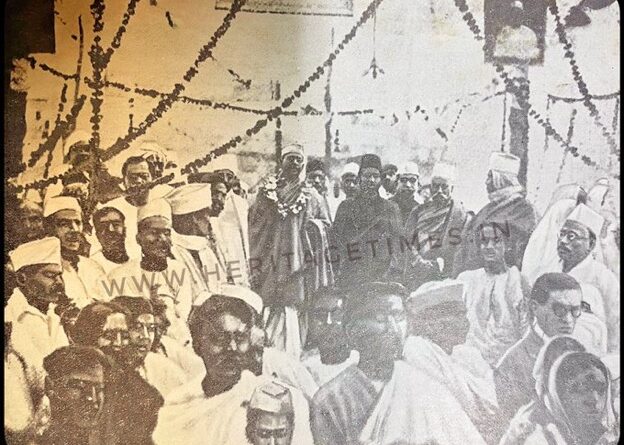
‘I do not want that sort of Swaraj which will be for middle class alone. I want a Swaraj which will be for the masses,not for the classes. I don’t care for the bourgeoisie. How few are they? Swaraj must be for the masses and must be won for the masses’
C.R.Das
Read More
Located in the Dhadhar river valley between the thickly forested hills of the Maher and Rangaini Range the zamindari listed with the District Collector of Gaya as “Manjhla Estate” was called “sarkar” (government) by the villagers in the area. It was called sarkar because that was all the governance that was. The forests stretching over almost 3000 square miles were just one of the wildernesses that connected the Magadh region to heights of the Chotanagpur plateau. The region teemed with wild life so typical to India’s wildernesses, and was home to tigers, leopards’ herds of sambhar, cheetal, barking deer, sloth bears, wild boar pea-fowl and jungle fowl.
Read More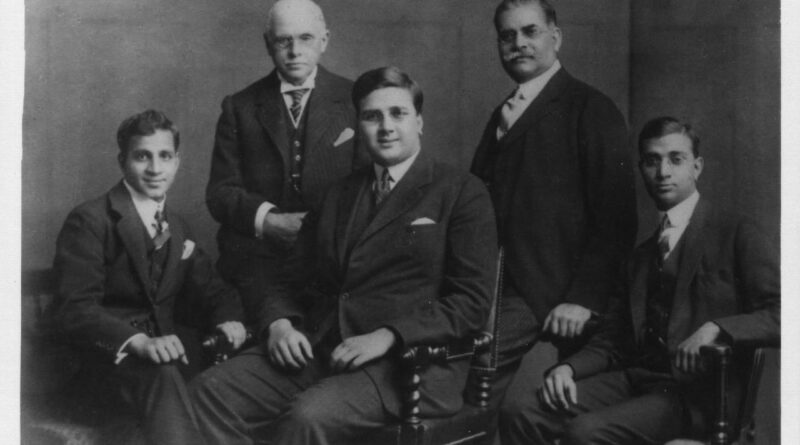
An excerpt written on Sir Ali Imam by Dr. Sachchidananda Sinha, in his book ‘Some Eminent Behar Contemporaries’, wherein he is described as an icon of nationalism.
Read More
Bibi Soghra was an “enlightened, socially conscious, and wise woman” who chose to donate her property in the service of the community and the country instead of giving it to her relatives.
Read More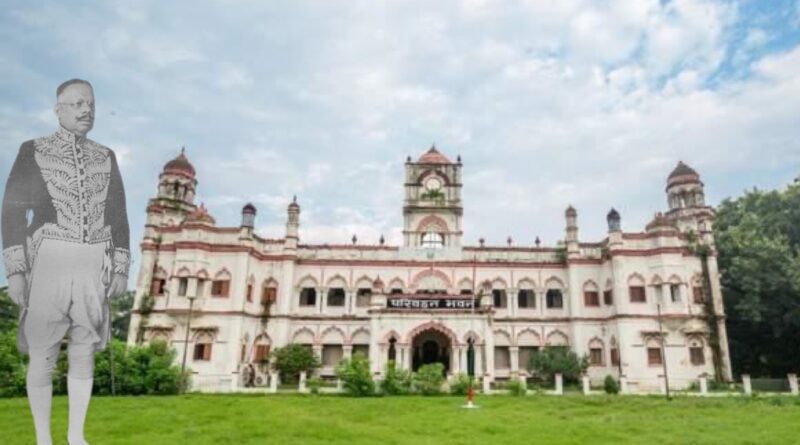
Recently Sultan Palace of Patna has been in the news for the very same reason. The Bihar Government wants to demolish it while the people of Patna want to save this heritage building. For most of them, it is an issue concerning a heritage building but it is much more than that.
Sultan Palace was built by Sir Sultan Ahmed almost a century ago. Sir Sultan Ahmed is mostly remembered as a jurist and educationist but very few in India remember him as a person who campaigned against the partition and put his life in danger to keep India united.
Yes, you read it correctly. On 27 October, 1947, Sultan Ahmed was held hostage at his official residence in Hyderabad by 30,000 Razakars of Ittehad-ul-Muslimeen led by Qasim Rizvi, the leader of Razakars. Wielding swords this huge band of Razakars took an army battalion led by Brigadier Gilbert to stop.
Read More
He participated in the Khilafat movement and served as the president of the Bhagalpur District Khilafat Committee. He organised Khilafat meetings and collected Turkish relief fund. He also took part in the Non-cooperation movement.
In his welcome address at Bihar Provincial conference at Bhagalpur on 28th August, 1920, he stressed the need of national unity for the success of Non-cooperation movement against the British Government. He was ardent believer of Hindu-Muslim unity and communal peace. He was a man of broad outlook and secular character.
Read More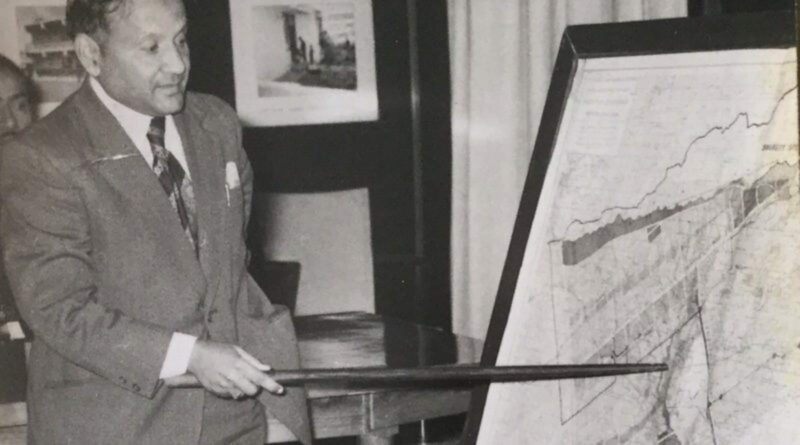
Syed Ali Hussain, widely regarded as the chief architect of Pakistan’s Public Works Department, oversaw the development of Islamabad.
Read More
Shah Wajihuddin Minhaji has left a diary, Meri Tamanna, containing all these details. On February 1936, he noted in his diary, “meri tamanna hai k maadar e watan ki urban gah par meri jan qurban ho jaaye” I wish I could sacrifice my life for my motherland.
Read More
The life and works of Mr. Syed Raza Imam of Chapra. An active participant in the social and political movements of his time, he made effective contributions to them.
Read More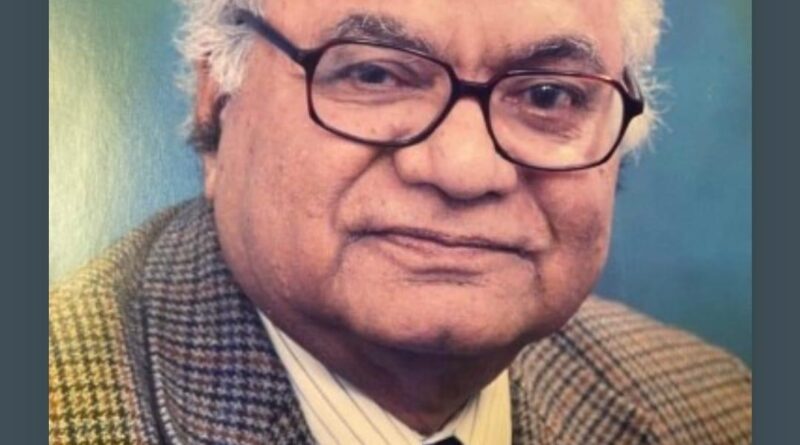
October 30 is the first death anniversary of noted economist, former head and chairman of the Department of Economics at McMaster University, Canada, Prof Syed Ahmad. An alumnus of Jamia Millia, Patna University, Aligarh Muslim University and London School of Economics, Ahmad taught at universities in Aligarh, Khartoum (Sudan), Kent (England) and McMaster (Canada), was visiting professor at many other institutions and has left a legion of students and admirers across the globe.
Read More
As PUSU president (elected in alliance between Samajwadi Yuvraj Sabha and Vidyarthi Parishad), Lalu was member of government committees of Patna district and had successfully persuaded the administration to have special counters for students in all cinema halls. PUSU president was entitled with telephones in the office and residence and hostel room.
Read More
From Reforming Mithila University to Defeating Nagendra Jha; Dr Shakeelur Rehman Led Fight Against Corruption and Became First Muslim MP from Darbhanga
Read More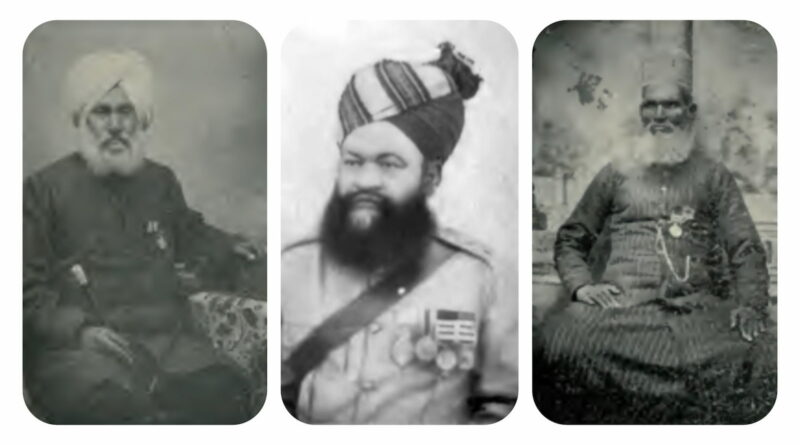
Unearthing Forgotten Heroes: Meet Dr. Sulaiman Khan, Dr. Mohammad Yasin, & Dr. Mohammad Naimullah, unsung heroes of 19th-century medicine in India.
Read More
Dr. Sachchidananda Sinha, a close friend of Mazharul Haque writes about him giving a clear picture of amicable relationship between Hindus and Muslims in London in the late 19th century. During this period when Indians were engaged in political activism in England; religion was merely an issue let alone sectarianism among Muslims being Shia or Sunni.
Read More
chaapa’s. It’s a traditional Bihari bridal dress with silver block print. This dress was especially designed to be worn by the bride on the day of Nikah.
No Bihari Muslim nikah ceremony is complete without the chaapa & so even I got a chance to wear it in one of the cousins wedding.
The word chaapa came from chaap
Read More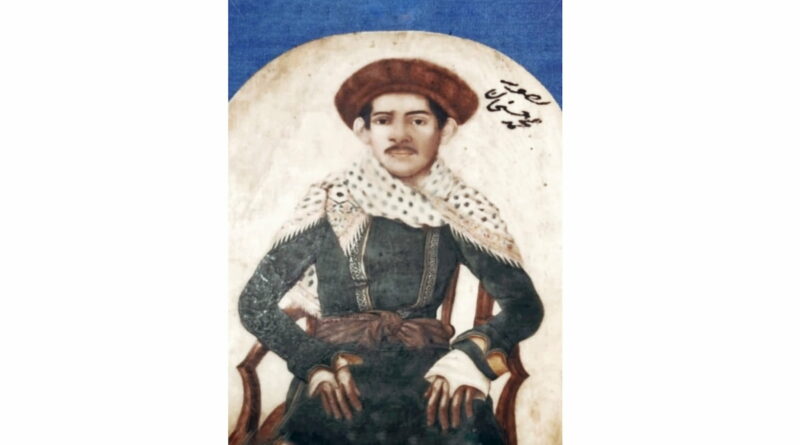
Syed Mohammad Hassan Khan ‘Rashki’ emerged as one of the most prominent poets from the second generation of Urdu poets in Azeemabad.
Read More
In January 1883 Sir Syed Ahmad Khan delivered a speech in Patna, emphasizing the need for cordial relations between Hindus and Muslims. Excerpts from this speech follow.
Read More