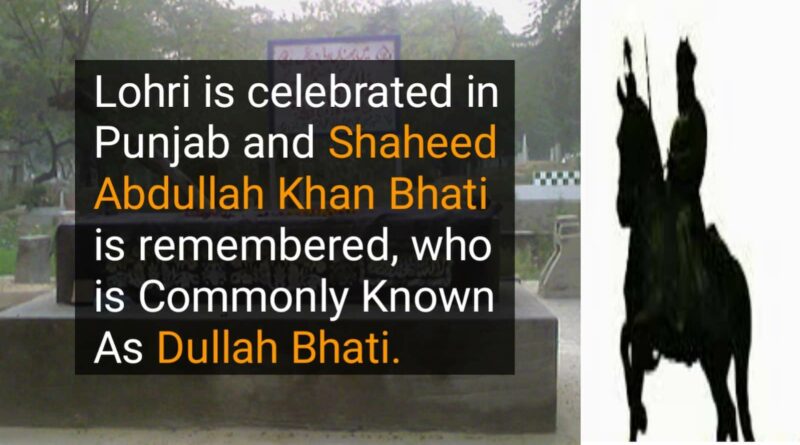
Lohri Festival: Remembering the Robinhood of Punjab, Dulla Bhatti alias Abdullah Khan Bhatti
Dulla Bhatti arranged girls’ weddings and also gave dowry to them. The famous song ‘Sunder mundriye ho!’ recalls his heroic acts.
Read More
Exploring lesser known History
Dulla Bhatti arranged girls’ weddings and also gave dowry to them. The famous song ‘Sunder mundriye ho!’ recalls his heroic acts.
Read More
Colonel Shaukat Ali Malik, who was honoured by Netaji Subhash Chandra Bose with ‘Sardar-e-Jung’ for his gallantry shown in the
Read More
Major General Shah Nawaz Khan, who was one of the Generals in the Indian National Army (Azad Hind Fauj), was born on 24 January 1914 in Rawalpindi, Pakistan. His father Tikka Khan was a high-ranking official in the British Indian Army.
Read More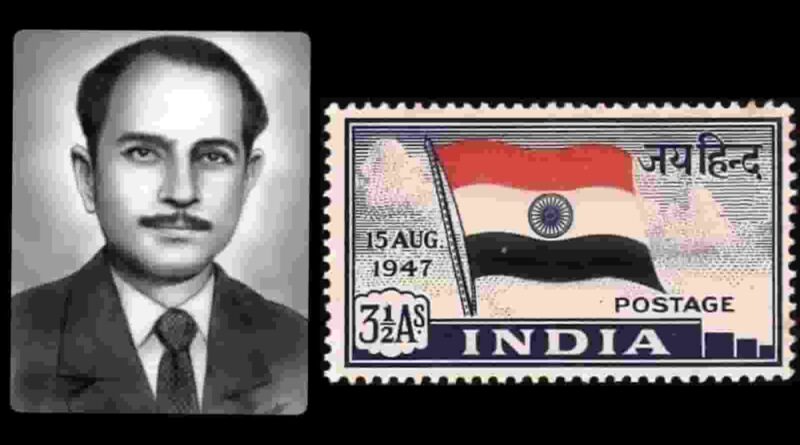
Abid Hasan Safrani: Meet Netaji Subhas Chandra Bose’s comrade, who coined the slogan ‘Jai Hind’
Read More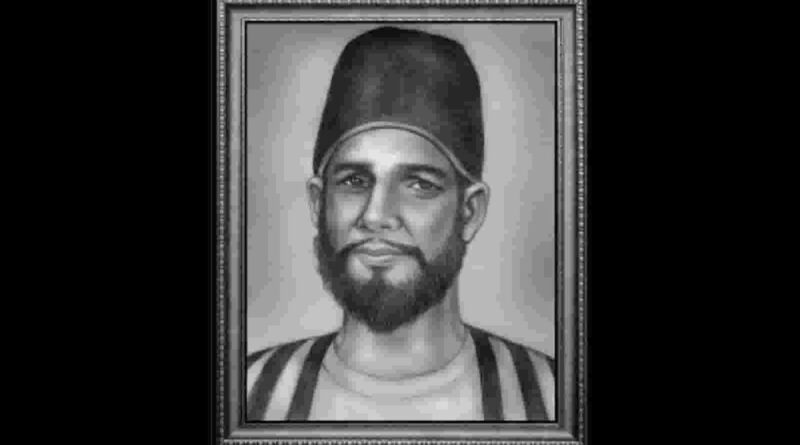
Syed Mir Nisar Ali was so courageous that he even informed the East India Company officials and police about his attacks in advance. His courageous approach attracted the poor towards him.
Read More
The Farazi movement was active for about half a century and later it continued to influence the freedom movement for another half a century. Haji Shariatullah, the guiding light of the Farazi movement, passed away in 1839.
Read More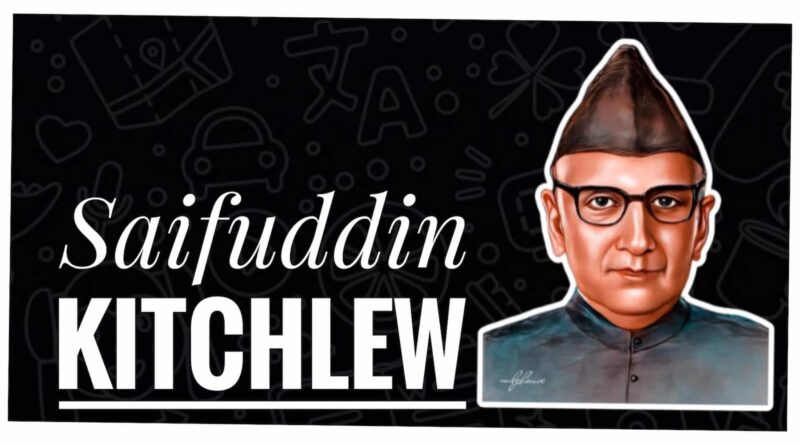
Dr. Saifuddin Kitchlew, hailed as the ‘Hero of Jallianwala Bagh’, was born on 15 January 1888 in Faridkot in Punjab state.
Read More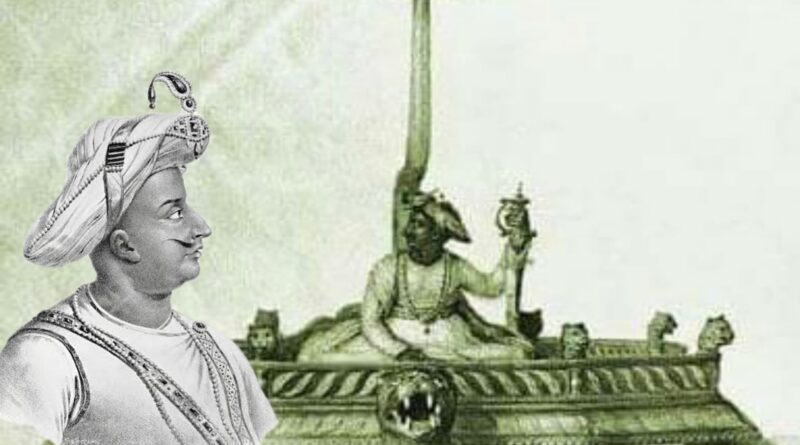
Tipu Sultan, the ‘Tiger of Mysore’, was a great visionary who exposed the expansionist designs of the British imperial forces and gave a clarion call to his fellow countrymen and native rulers to unite and fight against the East India Company.
Read More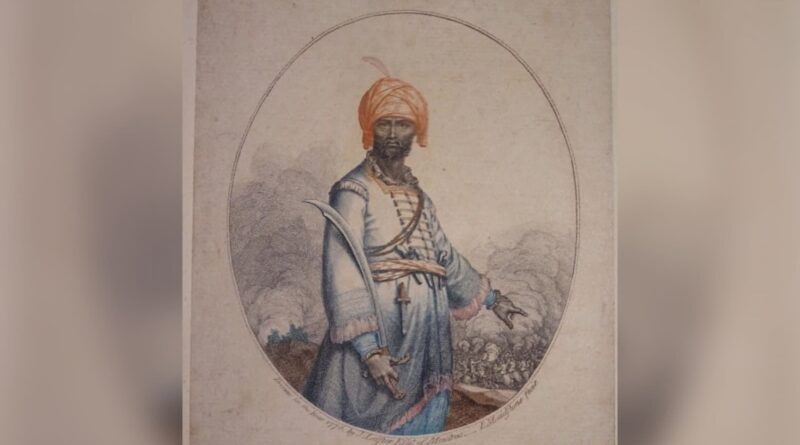
Hyder Ali, who is famously known as ‘the Napoleon of South India’ for his relentless fighting against the conspiracies of the East India Company
Read More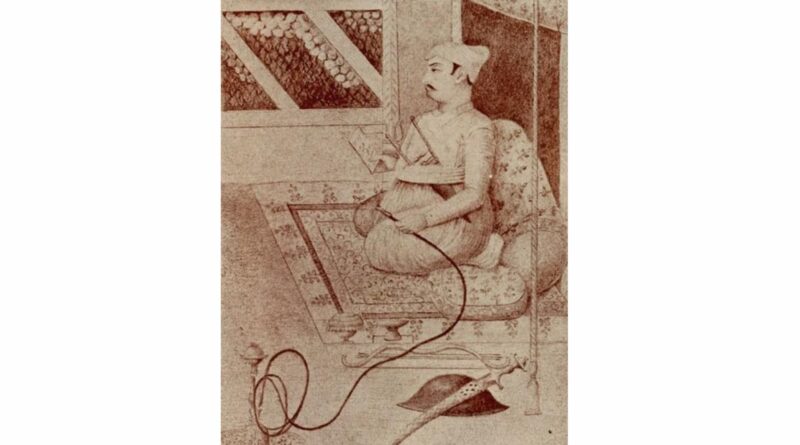
Mir Qasim Ali Khan wrote a letter to the council of the East India Company, protesting against the atrocities of the company officials and employees in May 1762.
Read More
The Nawab of Bengal Siraj ud-Daulah is remembered in Indian history as the ‘first warrior’, who sensed danger from the British and fought against them heroically
Read More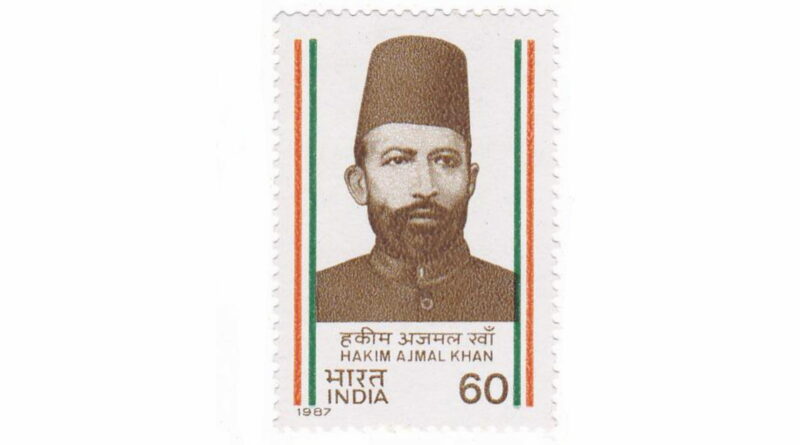
Hakim Ajmal Khan is credited for the revival of Unani medicine in India in the early 20th century, by founding the Tibbia College in Delhi and also spotting Dr. Salimuzzaman Siddiqi, a chemist, whose subsequent research in important medicinal plants used in Unani Medicine gave it a new direction.
Read More
Ömer Fahrettin Türkkan said, “Soldiers! I appeal to you in the name of the Prophet, my witness. I command you to defend him and his city to the last cartridge and the last breath, irrespective of the strength of the enemy. May Allah help us, and may the spirit of Muhammad ﷺ be with us.
Read More
The Judge, Mr. Roe, sentenced all Ghadr revolutionaries to be hanged. Shaheed Faqeer Rahmat Ali was hanged in Montgomery Jail in March, 1915
Read More
After independence, Maulana Abul Kalam Azad became the first education minister and implemented creative and constructive programs and schemes in the educational arena. During the Indian Freedom Struggle and even in the post-independent era, Moulana Abul Kalam Azad longed for harmony between Hindus and Muslims till he breathed his last on 22 February 1958.
Read More
When Dr. Mukhtar Ahmed Ansari became the President of the Indian National Congress in 1927 at the invitation of Mahatma Gandhi, he spent all of his wealth on the Indian National Congress activities, which left him almost bankrupt.
Read More
Shoyabullah Khan sacrificed his life for Democracy and Communal Harmony. He supported the People’s Movement for the merger of Hyderabad state into the Indian Union
Read More
Moreover, Hajara Beebi Ismail donated her family’s own land to ‘Kavuru Vinayashram’ to keep the promise made by her husband. Even after the demise of her husband, she followed his ideals.
Read More
When Sir Syed Ahmed Khan was campaigning against the Indian National Congress, he powerfully countered the campaign.
Rahmatullah Mohammad Sayani appealed to the Muslims to join the Indian National Congress and pleaded that they could have the right to get their share in the collective wealth only when they joined the collective movements.
Read More
In a letter dated June 16, 1945, Gandhiji addressed Sayani as Beti Kulsum and wrote: “I like the mission of Rahber to unite Hindi and Urdu. May it succeed.” Rahber was now being read by hundreds of political prisoners lodged in jails across the country. Anyone interested in learning Gandhiji’s Hindustani picked up Rahber. Along with her work of administrating women literacy classes in Mumbai, Sayani immersed herself in bringing out Rahber.
Read More