
When Guardians of the Jamia Millia Islamia met in Europe
Recalling the events that led to the meeting of the guardians of the Jamia Millia Islamia in Europe in 1925.
Read More
Exploring lesser known History
Recalling the events that led to the meeting of the guardians of the Jamia Millia Islamia in Europe in 1925.
Read More
He participated in the Khilafat movement and served as the president of the Bhagalpur District Khilafat Committee. He organised Khilafat meetings and collected Turkish relief fund. He also took part in the Non-cooperation movement.
In his welcome address at Bihar Provincial conference at Bhagalpur on 28th August, 1920, he stressed the need of national unity for the success of Non-cooperation movement against the British Government. He was ardent believer of Hindu-Muslim unity and communal peace. He was a man of broad outlook and secular character.
Read More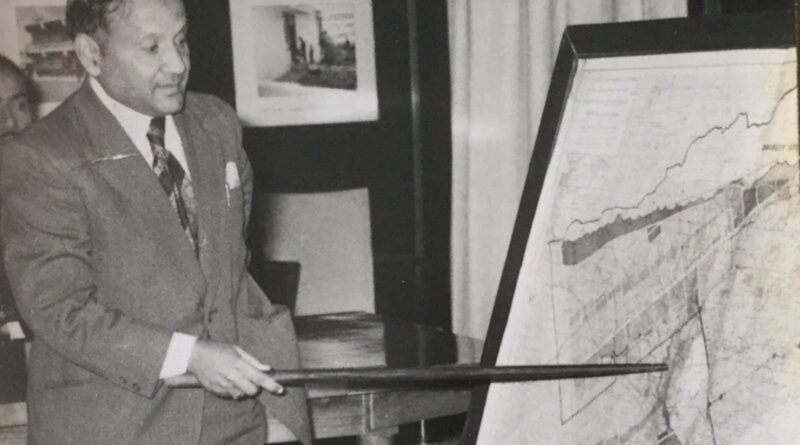
Syed Ali Hussain, widely regarded as the chief architect of Pakistan’s Public Works Department, oversaw the development of Islamabad.
Read More
Pragjyotisha, an ancient princely state in Indian epics, included the western town of Kamarupa, later named Cooch Behar after the ruling Koch Dynasty.
Read More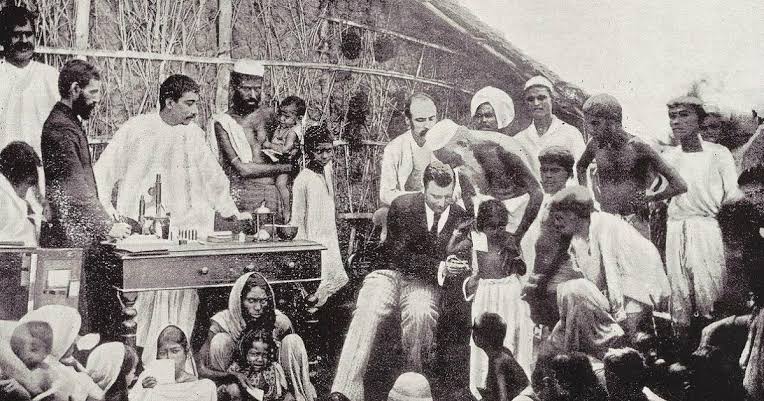
Modern instruments such as thermometers, stethoscopes, microscopes, and vaccines led to the improvement in the diagnosis and prevention of the disease. These advancements shook the foundation of Orientalism and the Europeans no longer saw benefits in rediscovering the traditional medicine as they no longer considered it rational.
Read More
Shah Wajihuddin Minhaji has left a diary, Meri Tamanna, containing all these details. On February 1936, he noted in his diary, “meri tamanna hai k maadar e watan ki urban gah par meri jan qurban ho jaaye” I wish I could sacrifice my life for my motherland.
Read More
[The court martial of Bahadur Shah Zafar sat for the last time on 9 March, (1858) and at 11 a.m.,
Read More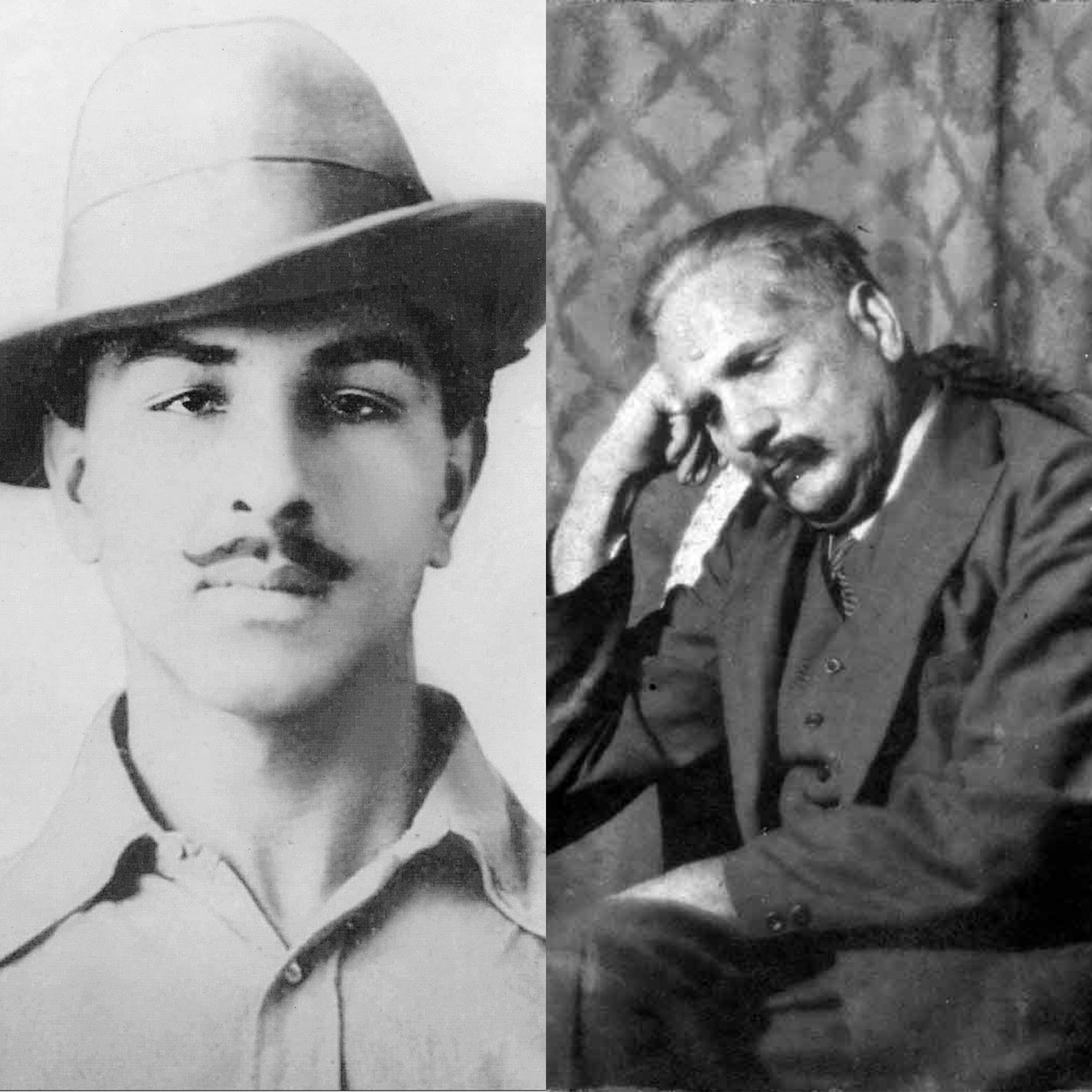
If I tell you that the famous Urdu poet Allama Muhammad Iqbal was a supporter of Shaheed-e-Azam Bhagat Singh and fought a legal battle for the great Indian revolutionary will you believe ? You should. Because, it is true.
Read More
Mirza Ismail, a Shia Muslim by faith, who was the Prime Minister of Mysore had spoken these words at the inauguration of Jamia Mosque, a Sunni mosque, in Bengaluru on 30 May 1941.
Read More
The Mahdawi movement relates to the arrival of the Messiah or Mehdi. Several people claimed to be the Mehdi throughout Islamic history.
Read More
He was a peculiar and a very special representative in a high degree of that great composite culture that has gradually grown in India. I do not mean to say that everybody has to be like Maulana Azad to represent that composite culture. There are many representatives of it in various parts of India, but he here in Delhi or in Bengal or Calcutta, wherever he spent the greater part of his life-represented this synthesis of various cultures which have come one after another to India, rivers that had flowed in and lost themselves in the ocean of Indian life, India’s humanity affecting them, changing them and being changed themselves by them.
Read More
Maulana Imdad Sabri was one of the most ardent followers and a comrade of Subhas Chandra Bose. He remained in Congress and held important positions until Netaji was in Congress.
Read More
The situation at Dunkirk in 1940 was extremely out of bounds for the British Army. Hundreds of thousands of men struggled to escape France, as the Luftwaffe swirled overhead. The Germans had advanced with terrifying speed, covering over a hundred and twenty miles in just five days. The Germans were employing the technique of Blitzkrieg.
Read More
Gandhi and Ambedkar are India’s most popular thinkers, and also the most romanticised ones. While Gandhi is called the “father of India”, Ambedkar is called the father of the text that makes India a democracy (on paper), the Constitution. People often worship these figures, but usually do not read, thus begins the saga of romanticisation.
Read More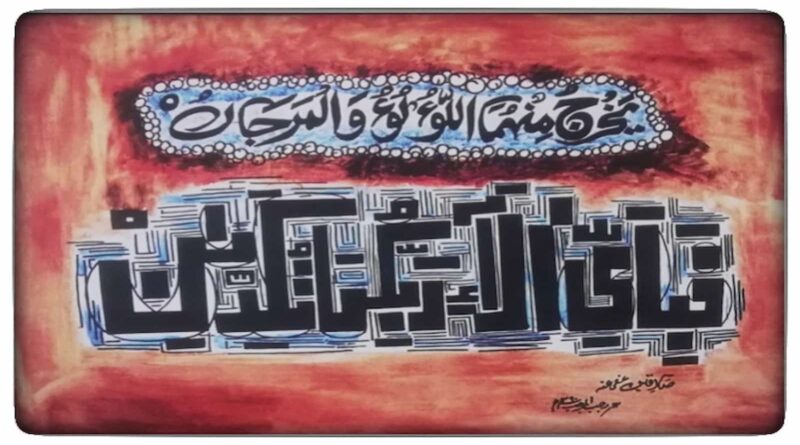
Syed Sadequain Ahmed Naqvi Amrohvi (1930-1987) left his indelible imprints in the sphere of art and literature. An incredibly celebrated painter and poet.
Read More
Maulvi Abdur Rasul, who actively participated in the movement opposing the division of Bengal, was born in 1872.
Read More
Ehsan Danish and Makhdoom Mohiuddin – A juncture of love, literature and struggle.
Read More
Dr Jawaharlal Rohatgi, A Doctor who spent nine years in jail but never gave up his Medical Practice
Read More
Under Netaji Bose, the INA’s motto of Ittefaq (Unity), Itmad (Faith), and Kurbani (Sacrifice) no doubt preferred Hindustani words of Persio-Arabic extraction, but the invocation of spiritually-charged terms such as “faith” and “sacrifice” remained.”
Read More
People welcomed him, and his family, as a pilgrim coming back from one of the most sacred places of Islam. While in fact, he did not plan to visit Makkah and Medina.
Read More