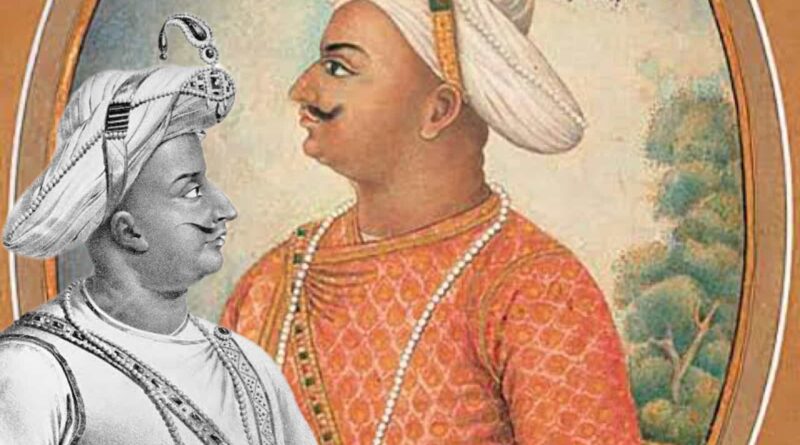
“To live like a TIGER for a day is far better than to live like a jackal for a hundred years.” – Tipu Sultan
‘To live like a TIGER for a day is far better than to live like a jackal for a hundred years.’ – Tipu Sultan
Read More
Exploring lesser known History
‘To live like a TIGER for a day is far better than to live like a jackal for a hundred years.’ – Tipu Sultan
Read More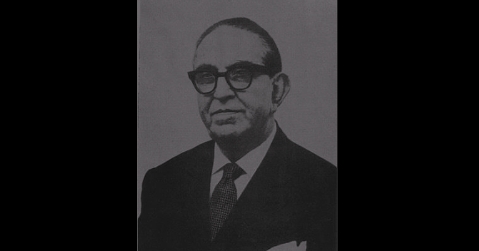
Story of CIPLA founder Khwaja Abdul Hamied can be an inspiration for the persons who want to help the poor.
Read More
Syed Ali Imam, who declared that the share of a community in the wealth of nation should be proportionate to its share of sacrifices in securing independence to that country, was born on 11 February 1869 in Neora village, Bihar.
Read More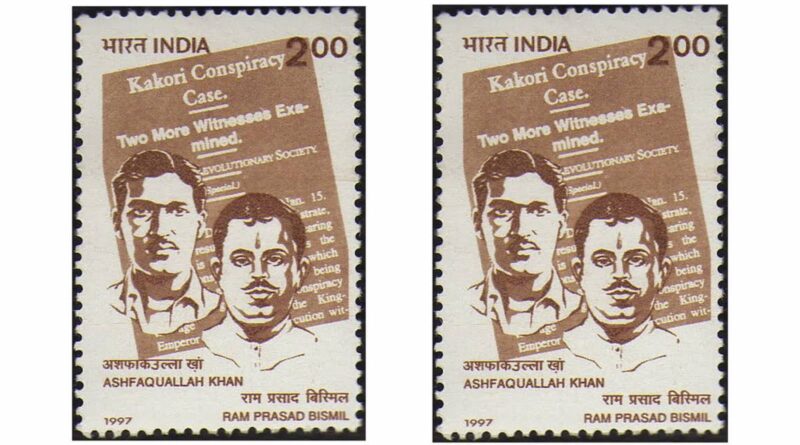
Asfaqullah Khan was born on 22 Oct 1900 in a military background family in Shahjahanpur. He have a great influence on poetry and the bravery of Ram Prasad Bismil. When Bismil was declared absconder after the Manipuri conspiracy, Ashfaq was very keen to meet Bismil because of his poetic and revolutionary attitude.
Read More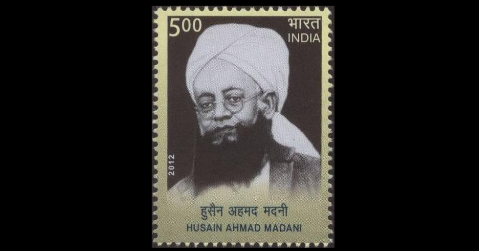
Maulana Husain Ahmad Madani, who fought not only against the British for freedom but also against the separatists who wanted
Read More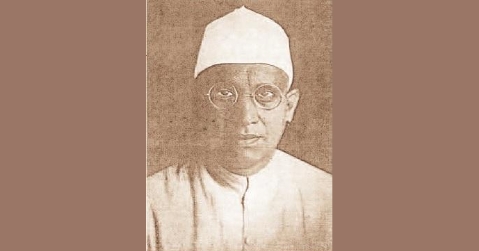
Syed Mahmud was born in the village of Syedpur Bhitari, Ghazipur (UP). His father’s name was Mohammad Umar and his grandfather’s name was Qazi Farzand Ali. His ancestors had come to Bihar during the Lodis.
Read More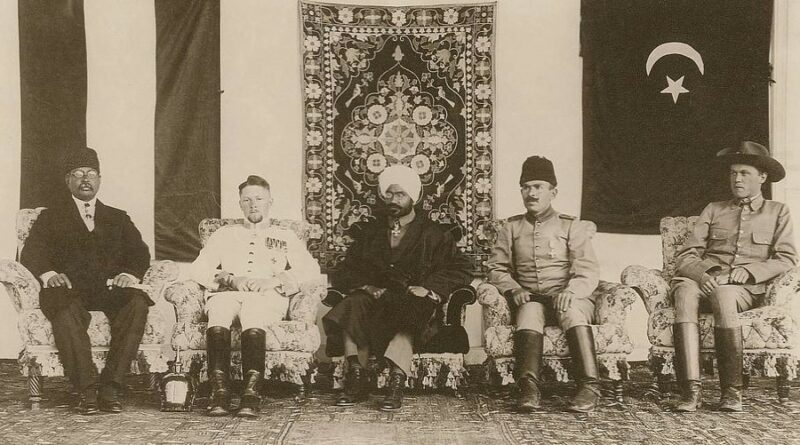
Barkatullah Bhopali (1854-1927) who dedicated his whole life to armed struggle for the liberation of his motherland from the clutches of the British, formed the ‘Government of India in Exile’ with Raja Mahendra Pratap, as its President and Barkathulla as the Prime Minister
Read More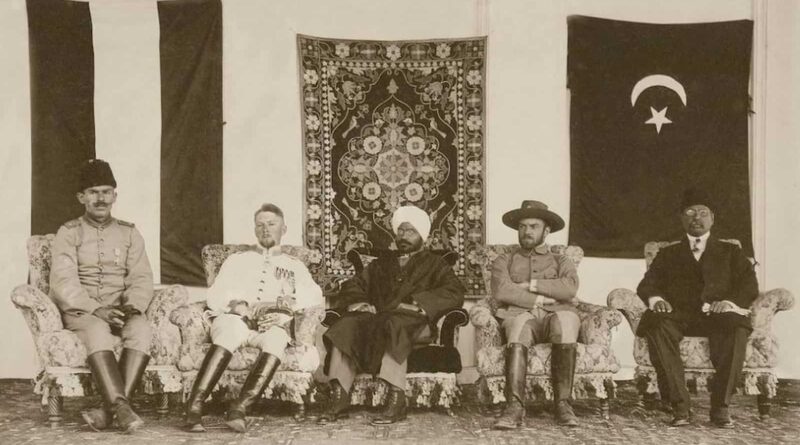
This photograph shows the multi-national representatives of the Afghan Mission. From left to right, they are the Ottoman Sultan’s representative Kâzım Orbay, Leutnant von Hentig, the Hindu Indian Nationalist leader Mahendra Pratap, Oberleutnant Oskar Niedermayer and the Islamic Indian Nationalist Maulavi Barkatullah.
Read More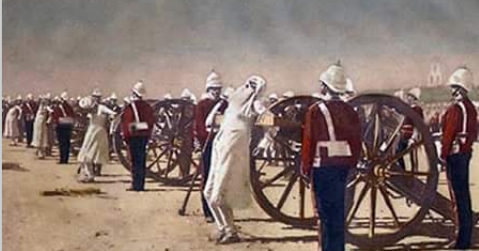
Maulvi Muhammad Baqir was the first Indian journalist to be executed by the British for spreading messages and news of Mutiny against the British.
Read More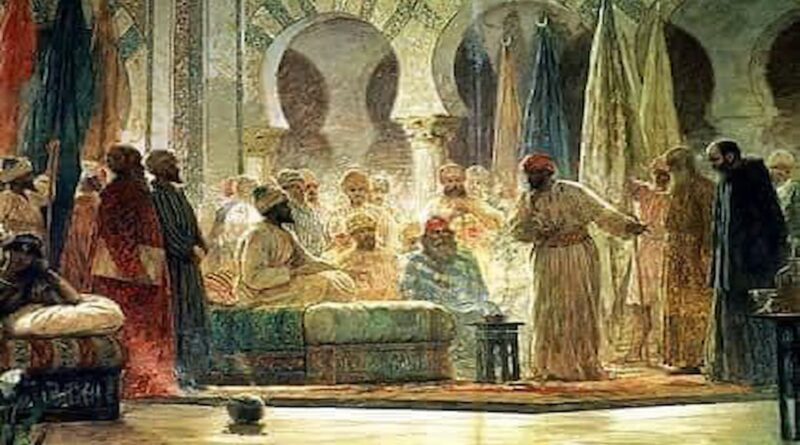
Muztar Khairabadi, the GRANDFATHER OF JAVED AKHTAR, was Fazl-e-Haq Khairabadi’s grandson. Muztar Sahab was the son of HIMANI KHAIRABADI, A POETESS IN HER OWN RIGHT, and Fazl-e-Haq Sahab’s daughter.
Read More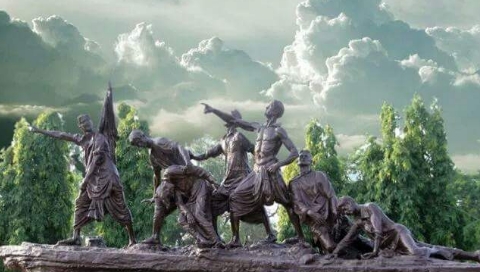
In their deaths, these young men showed the British what Gandhi meant when he raised the war cry of “Do or Die”.
Their martyrdom was the pivotal event of 1942 which resulted in a mass eruption in Bihar with widespread agitations and chaos.
Read More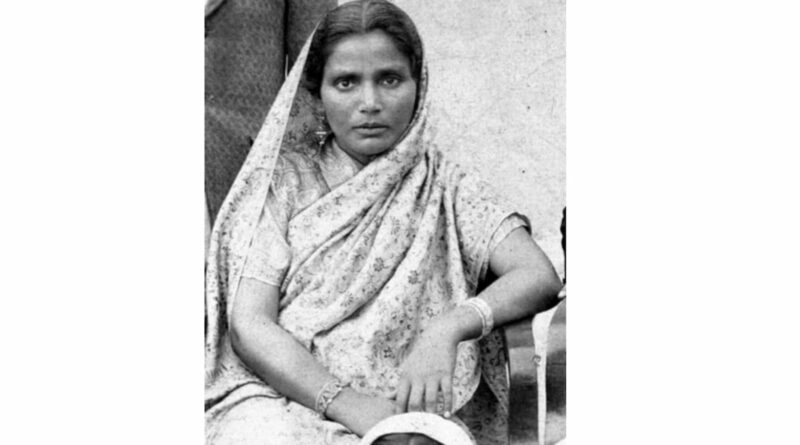
Begum Anees Kidwai (1906–1982) was a writer, an activist and a politician from Uttar Pradesh. She worked towards peace and the rehabilitation of the victims of India’s bloody partition, and spent a majority of her life in service of the newly independent India. Sh
Read More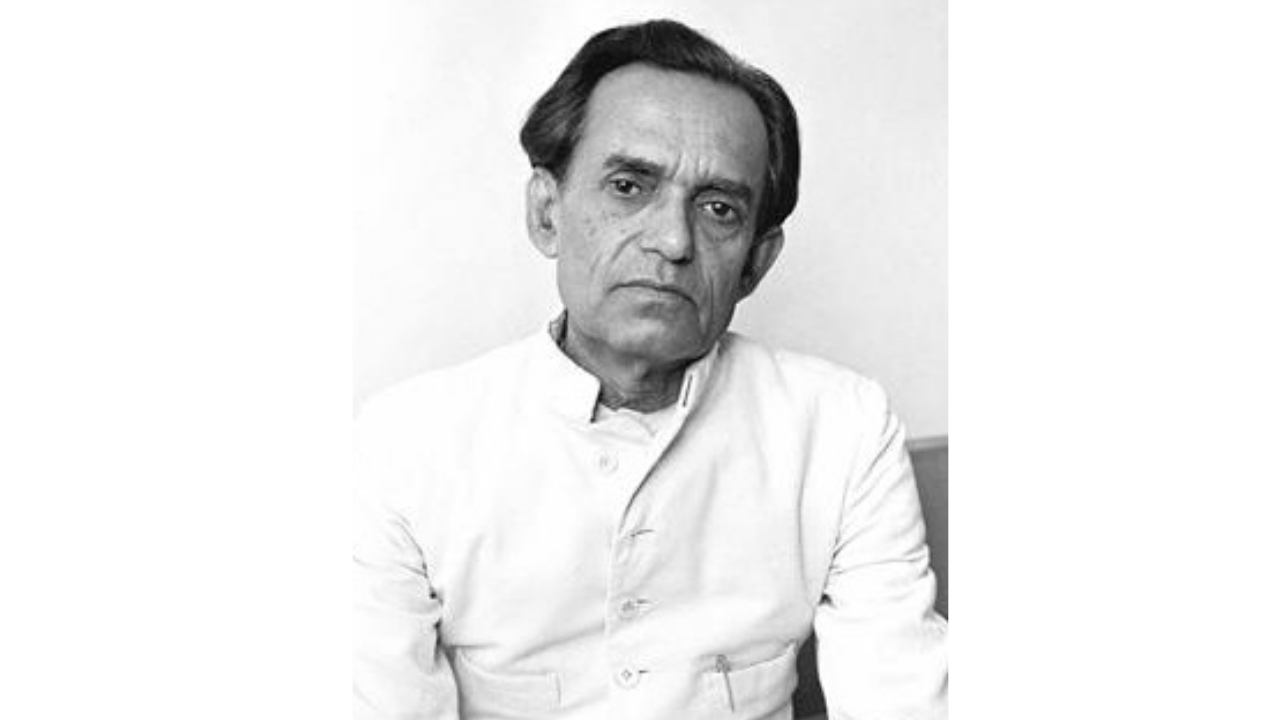
Abdul Gafoor, who worked for the harmony between Hindus and Muslims, which he believed was essential for the liberty
Read More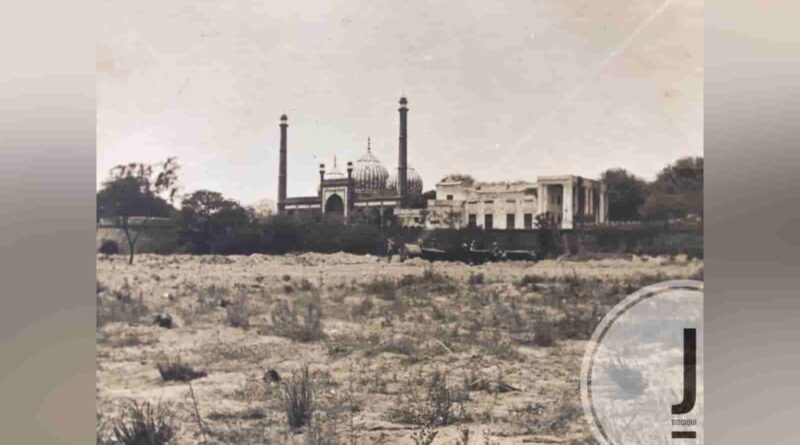
Indian Mutiny, Fate of Jama Masjid and other Islamic Buildings of Delhi:
Read More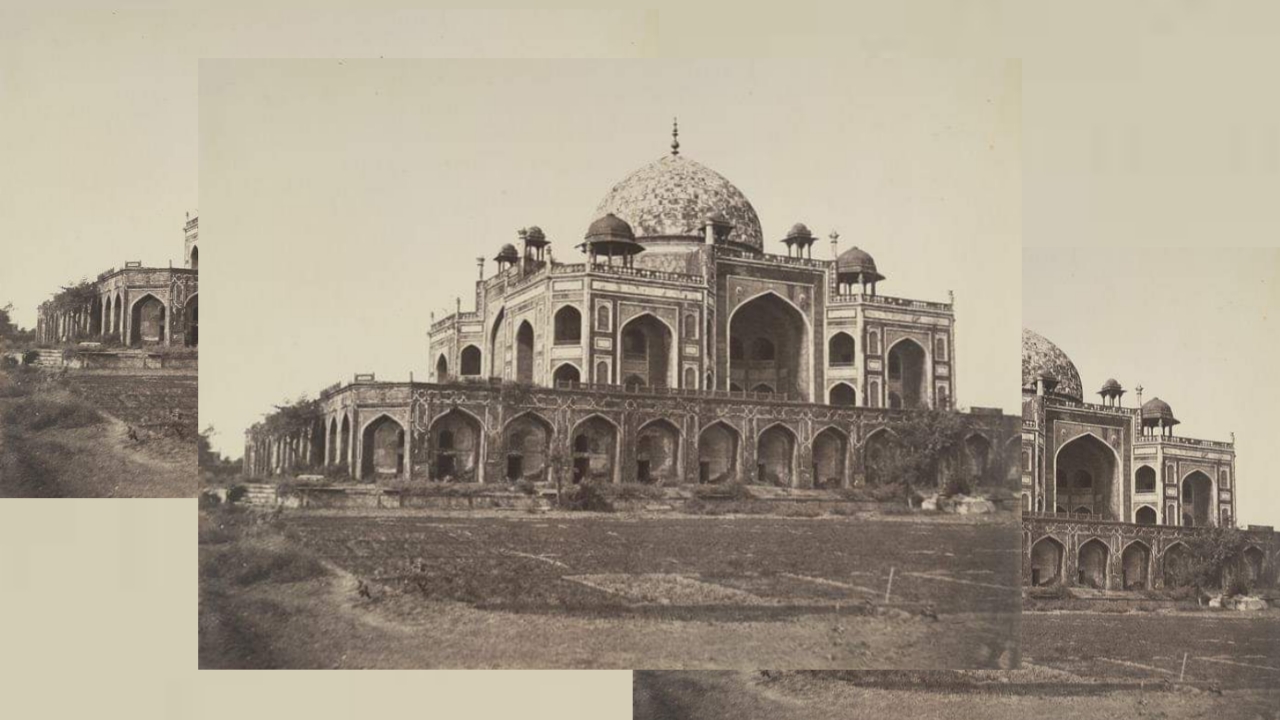
After taking the king and his family as prisoners, Hodson left his Sikh cavalry to guard the Humayun Tomb. They were assigned to keep an eye on the nobles who were still taking refuge at the tomb area and were under arrest. Their destiny looked much shoddier after the arrest of Bahadur Shah Zafar.
Read More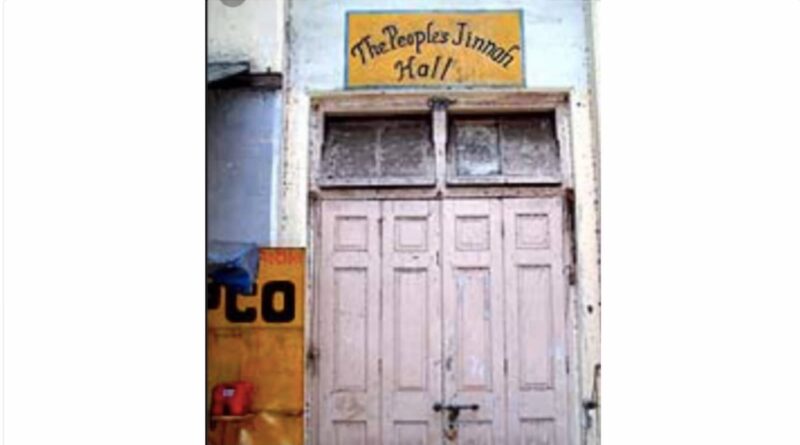
This protest made Jinnah a star politician.
His supporters, collected money to build a hall in Jinnah’s memory. Between 30,000-60,000 Rs. was collected and a memorial was built in the name of Jinnah ‘Jinnah’s People’s Memorial Hall’ at Leamington Road.
Read More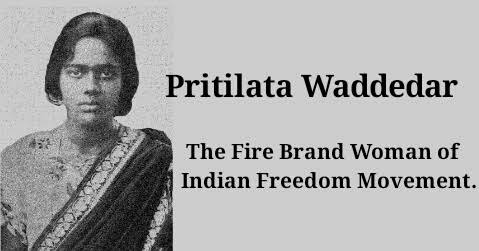
NG Banerjee Pritilata Waddedar (5 May 1911 – 23 September 1932) was a Bengali anti-British revolutionary from Chittagong, which is
Read More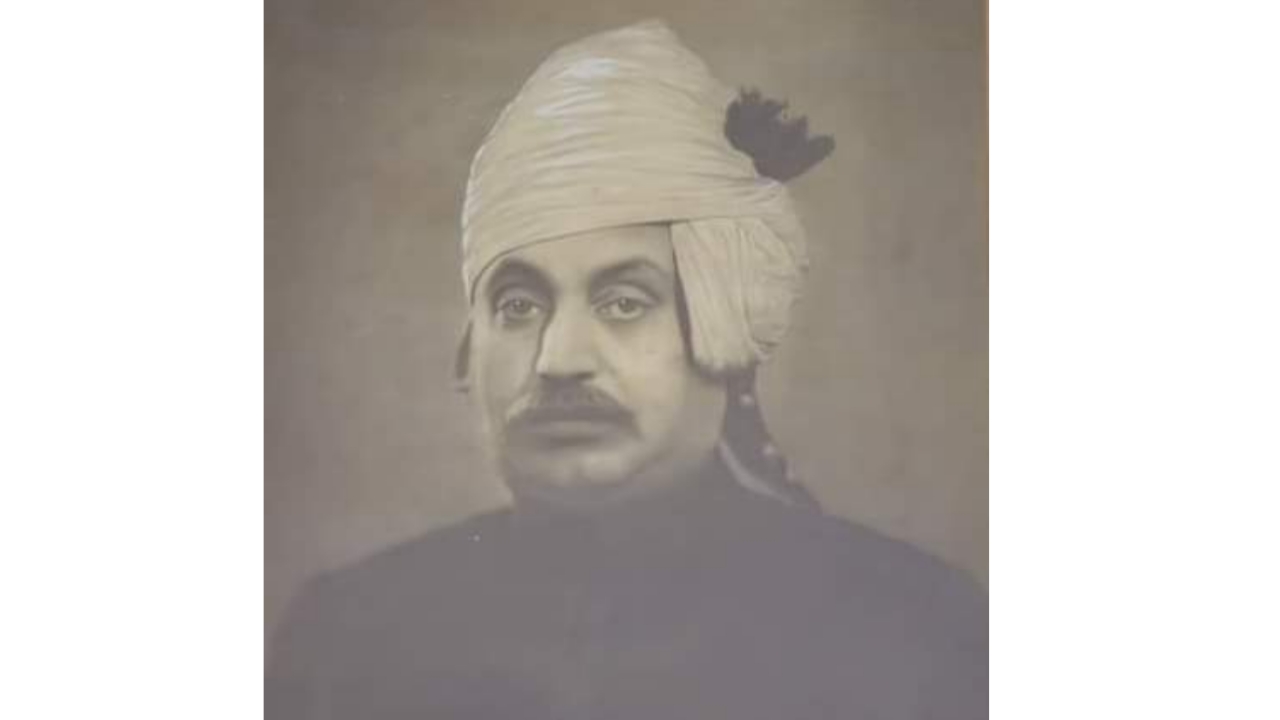
Mohammad Yunus : First Chief Minister of Bihar
Read More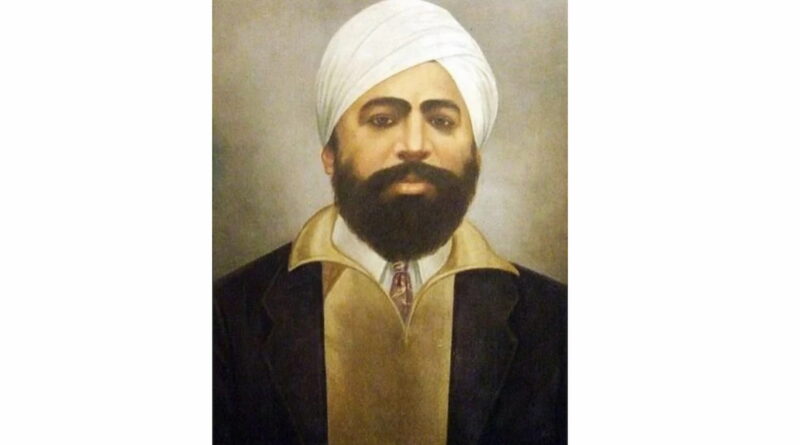
“He wanted to crush the spirit of my people, so I have crushed him.” These are the words of Udham Singh, referring to Michael O’Dwyer, the culprit of the Jallianwala Bagh massacre.
Read More
Rafi Ahmed Kidwai, who stood as an answer to the big question ‘Who was next to Nehru for the post of Prime Minister of India?’, was born to Imtiaz Ali Kidwai and Rashi-ul-Nisa, in Masouli village of Barabanki district of Uttar Pradesh on 18 February 1894.
Read More